

POPULAR
BLOG POSTS


- Ayurvedic Treatment for Fatty Liver: What Really Helps, and What Doesn't
Oct 05, 2026 - Ayurvedic Treatment for Multiple Sclerosis: Supportive Care, Therapies and What to Expect
Sep 29, 2026 - Panchakarma: Vamana, Virechana, Basti, Nasya & Raktamokshana
Sep 28, 2026 - Ayurveda Meditation: Healing the Mind, Body & Consciousness
Sep 27, 2026 - Ayurvedic Treatment for Arthritis: The Role of Diet and Lifestyle
Sep 15, 2026 - Ayurvedic Treatment for PMOS: How Panchakarma and Ayurvedic Fertility Care Support Hormonal Balance
Sep 09, 2026 - Ayurvedic Treatment for Women: Hormones, Hair, Skin, Stress & Fertility
Sep 1, 2026 - Leech Therapy Ayurveda for Varicose Veins: Reduce Pain and Improve Blood Circulation Naturally
Aug 27, 2026 - How Panchakarma Treatment Supports Natural Detoxification and Wellness
Aug 20, 2026 - Kerala Panchakarma for Back Pain and Joint Stiffness
Aug 1, 2026 - Ayurvedic Rejuvenation Treatment: What It Is and How It Works
July 21, 2026 - An Ultimate Guide for Ayurvedic Treatment of Sinusitis and Allergies
July 10, 2026 - How Ayurveda Supports Weight Management Without Dieting
June 30, 2026 - Planning a Karkidaka Chikitsa Retreat in Wayanad, Kerala: A Guide for International Guests
June 22, 2026 - Best Time for Panchakarma in Kerala: Why Choose a Monsoon Ayurveda Detox Retreat?
June 8, 2026 - Heal Naturally with Monsoon Treatments in Ayurveda: A Guide to Karkkidaka Treatment
May 30, 2026 - What is hypertension? Symptoms, causes, and Ayurveda treatments
May 26, 2026 - Why Monsoon is the Best Time for Kizhi Therapy in Ayurveda
May 25, 2026 - Why Shirodhara is Done: 7 Powerful Benefits for Mind & Body
April 17, 2026 - 7 Powerful Benefits of an Ayurveda Retreat
April 17, 2026 - Nasyam: The Ayurvedic Nose Therapy That Clears More Than Congestion
March 10, 2026 - Why One-Size-Fits-All Wellness Fails: A Guide to Your Ayurvedic Body Type
Feb 17, 2026 - Ayurvedic Detox: How to Cleanse Your Body the Natural Way
Feb 17, 2026 - Breathe Easy: Natural Ayurvedic Solutions for Sinus and Cold-Season Problems
Feb 7, 2026 - Living in Balance: A Daily Guide to Yoga and Ayurveda
Jan 12, 2026 - 10 Reasons Why Panchakarma Is the Ultimate Detox
Oct 28, 2025 - From Panchakarma to Peace: A Beginner's Guide to Ayurveda
Aug 30, 2025 - Transformative Healing Through Personalized Ayurveda at Shatavari Ayurveda
July 15, 2025 - Balance Your Doshas with the Seasons: A Fresh Approach to Eating
June 29, 2025 - How Vata, Pitta, and Kapha Influence Your Mind, Body, and Energy ?
June 13, 2025 - Why an Ayurveda Resort in Wayanad Is the Ultimate Wellness Gateway ?
May 29, 2025 - Ayurveda Leech Therapy: A Time-Tested Healing Practice
April 22, 2025 - Cupping Therapy: An Ancient Healing Practice for Modern Health
April 3, 2025 - Ayurveda for Mental Wellness: Healing Stress and Anxiety Naturally
March 8, 2025 - The Science Behind the Healing Power of Ayurveda
Feb 20, 2025 - Panchakarma: Five Ayurvedic Therapies for Effective Detoxification
Feb 11, 2025 - Why Ayurveda Could Be Europe’s Hottest Wellness Trend ?
Jan 22, 2025 - Yoga for Health: A Path to Physical and Mental Well-being
Aug 16, 2024 - Ayurveda in Europe: Integrating Eastern Medicine into Western Lifestyles
Aug 16, 2024 - Wayanad United: Shatavari Ayurveda’s Commitment to Healing and Hope
Aug 16, 2024 - Ayurveda: Science of Life - Ancient Wisdom for Contemporary Health
Aug 8, 2024 - Kerala Wellness Centres_ Your Guide to Ayurvedic Detox and Rejuvenation
Jul 20, 2024 - How My Visit to an Ayurveda Retreat Centre Transformed My Life ?
Jul 18, 2024 - What is an Ayurveda Retreat?
Jul 13, 2024 - Shatkarma and Its Role in Modern Yoga Practice
Jul 10, 2024 - Best Ayurvedic Package for Women
Aug 3, 2023 - Yoga: A Holistic Way to Boost Your Respiratory Health and Overall Well-being
Jul 28, 2023 - Does Yoga Improve Lung Function?
Jul 5, 2023 - Best Ayurvedic Treatment for Stress
June 20, 2023 - Where to Get an Ayurvedic Consultation in Europe?
June 26, 2023 - How Is Ayurveda Beneficial For Arthritis?
June 18, 2023 - The Role of Ayurveda In the Constitution of The Body
June 1, 2023 - Which Is the Best Ayurvedic Treatment Centre in Kerala?
May 30, 2023 - The Healing Power of Food
May 23, 2023 - Ayurveda: Ancient Wisdom for Modern Well-Being
May 18, 2023 - Ayurveda's Simple Ways to Reduce Stress
May 2, 2023 - Ayurveda's Ancient Magic Meets Modern Living
April 20, 2023 - Ayurvedic Immunity Boosting Measures
Mar 31, 2023 - Ayurvedic Treatment for Post-Covid Health
Mar 25, 2023 - Indian Spirituality
Mar 13, 2023 - Does Ayurveda Treat Weight Loss?
Feb 21, 2023 - Ayurveda Doctor in Europe
Feb 5, 2023 - Ayurveda Treatments in India: How to Get an Online Medical Visa?
Jan 24, 2023 - Kerala Ayurvedic Centre
Dec 10, 2022 - Ayurvedic Spa Treatments
Nov 25, 2022 - Ayurvedic Capsules for Good Health
Oct 10, 2022 - How Can Ayurvedic Treatment Help People with Diabetes?
Jun 3, 2022 - Why Is Kerala Considered the Ideal Destination for Ayurvedic Treatment?
May 10, 2022
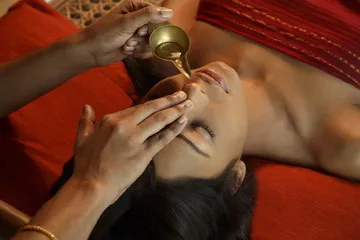
An Ultimate Guide for Ayurvedic Treatment of Sinusitis and Allergies
July 10, 2026
Ayurvedic treatment for sinusitis does not simply suppress symptoms. Instead, it addresses the root cause by correcting Kapha and Vata dosha imbalances and eliminating Ama (metabolic toxins). Common treatments include Nasya therapy, Sitopaladi Churna, herbal steam inhalation, Panchakarma detoxification, and a Kapha-balancing diet.
For many people, chronic sinus congestion, recurring infections, and allergies become an endless cycle despite using antihistamines and decongestants. Ayurveda takes a different approach by identifying the underlying imbalance that makes the body repeatedly react to allergens and infections.
What Is Sinusitis According to Ayurveda?
In Ayurveda, sinusitis is known as Dushta Pratishyaya. It develops primarily due to an imbalance of Kapha and Vata doshas.
- Aggravated Kapha leads to excessive mucus production, congestion, and heaviness.
- Aggravated Vatacontributes to dryness, irritation, and irregular immune responses.
Rather than treating allergies as a separate condition, Ayurveda considers them a trigger that worsens an already imbalanced system.
Symptoms and Common Triggers
Sinusitis generally occurs in two forms:
- Acute Sinusitis – Sudden onset with severe symptoms.
- Chronic Sinusitis – Persistent or recurring symptoms over an extended period.
Common allergy triggers include:
- Seasonal pollen
- Cold air
- Dry air
- Damp environments
- Dust and environmental pollutants
According to Ayurveda, chronic sinusitis is also associated with:
- Ama (metabolic toxins) accumulation
- Weak Agni (digestive fire)
Both conditions must be corrected for lasting relief.
Ayurvedic Treatment for Chronic Sinusitis
Recurring sinus infections require a holistic treatment plan that goes beyond symptom management.
Ayurvedic practitioners commonly recommend:
- Trikatu to stimulate digestion and clear Ama
- Vasa (Adhatoda vasica) to support respiratory health
- Herbal formulations that balance Kapha and Vata
For long-standing cases, Panchakarma is often advised. This detoxification therapy helps eliminate accumulated toxins, reduce inflammation, and restore the body's natural balance.
Ayurvedic Treatment for Maxillary Sinusitis
The maxillary sinuses, located beneath the cheekbones, are the most commonly affected.
Treatment may include:
- Herbal steam inhalation
- Warm medicated herbal compresses
- Herbal formulations that reduce inflammation
- Therapies to promote drainage of stagnant mucus
These treatments help relieve facial pressure while supporting healthy sinus function.
Nasya: The Most Effective Ayurvedic Treatment for Sinusitis and Allergies
Nasya is one of Ayurveda's most important therapies for treating sinus disorders.
It involves administering medicated herbal oils into the nasal passages to cleanse and nourish the respiratory system.
How Nasya Works
Medicated oils such as Anu Taila help to:
- Lubricate the nasal passages
- Reduce inflammation
- Loosen accumulated mucus
- Clear blocked sinuses
- Improve breathing
Typical Nasya Procedure
- Gentle herbal steam or heat is applied to the face and neck.
- Three to five drops of warm medicated oil are placed into each nostril.
- The patient inhales deeply.
- A short resting period allows the medicine to penetrate the nasal passages.
With regular treatment under professional supervision, Nasya may help reduce recurring congestion and improve resistance to allergens.
Other Important Ayurvedic Herbal Formulations
Along with Nasya, Ayurvedic physicians may recommend:
Sitopaladi Churna
Traditionally used to relieve:
- Chest congestion
- Cough
- Excess mucus
Haridra (Turmeric)
Known for its:
- Natural anti-inflammatory properties
- Immune-supportive benefits
- Antioxidant activity
Steam Inhalation
Steam prepared with:
- Eucalyptus
- Ajwain (carom seeds)
may help loosen mucus and temporarily ease nasal congestion.
Kerala Ayurvedic Treatment for Sinusitis
Kerala is widely recognized for preserving traditional Panchakarma therapies.
Comprehensive treatment programs typically include:
- Nasyakarma
- Herbal steam therapy
- Detoxification therapies
- Personalized herbal medicines
- Ayurvedic diet planning
- Lifestyle modifications
Kerala's warm climate and abundant medicinal herbs have contributed to its long-standing reputation as a center for authentic Ayurvedic healing.
How to Choose the Best Ayurvedic Treatment for Sinusitis
An experienced Ayurvedic physician should perform a complete assessment before recommending treatment.
This includes evaluating:
- Prakriti (natural constitution)
- Vikriti (current imbalance)
- Digestive health
- Lifestyle
- Medical history
- The most effective treatment combines:
Is Ayurvedic weight management safe?
- Herbal medicines
- Nasya therapy
- Dietary guidance
- Lifestyle modifications
- Panchakarma when appropriate
Red Flags
Be cautious of practitioners who:
- Recommend generic herbal remedies without consultation
- Promise instant or guaranteed results
- Ignore dietary and lifestyle recommendations
Diet, Lifestyle, and Home Remedies
Diet plays a major role in managing sinusitis.
Foods to Avoid
- Dairy products
- Cold foods and drinks
- Heavy, oily meals
- Excess sweets
Foods to Include
- Warm, freshly cooked meals
- Ginger-Tulsi tea
- Turmeric milk
- Light, mildly spicy foods
Helpful Daily Practices
- Wake up early
- Practice oil pulling
- Perform gentle nasal cleansing as advised
- Stay hydrated
- Avoid exposure to known allergens whenever possible
When Should You See an Ayurvedic Doctor?
Home remedies may provide temporary relief but should not replace professional care.
Consult an Ayurvedic physician if:
- Nasal congestion lasts longer than two weeks
- Symptoms repeatedly worsen during seasonal changes
- Allergies interfere with daily activities
- Sinus infections frequently recur
During your consultation, the physician will typically evaluate:
- Medical history
- Prakriti (body constitution)
- Diet and lifestyle
- Symptom patterns
- Digestive health
Frequently Asked Questions
What is the best Ayurvedic treatment for sinusitis?
Nasya therapy using Anu Taila, combined with personalized herbal medicines, dietary changes, and Panchakarma (when required), is considered one of the most effective Ayurvedic approaches for sinusitis.
How long does Ayurvedic treatment for sinusitis take?
- Acute sinusitis: Typically improves within 1–2 weeks.
- Chronic sinusitis: May require 4–8 weeks or longer, depending on severity, consistency of treatment, and individual constitution.
Is Ayurvedic treatment safe for sinus allergies?
When prescribed by a qualified Ayurvedic practitioner, treatments using herbs such as Haridra (turmeric), Trikatu, and Vasa are generally considered safe. However, self-medication is not recommended, and treatment should always be individualized.
What makes Kerala Ayurvedic treatment different?
Kerala-style Ayurveda is known for:
- Authentic Panchakarma procedures
- Physician-supervised therapies
- Traditional herbal formulations
- Personalized treatment plans
- Comprehensive dietary and lifestyle guidance
This integrated approach makes Kerala one of the most respected destinations for Ayurvedic care.
POPULAR
BLOG POSTS
- Ayurvedic Treatment for Fatty Liver: What Really Helps, and What Doesn't
Oct 05, 2026 - Ayurvedic Treatment for Multiple Sclerosis: Supportive Care, Therapies and What to Expect
Sep 29, 2026 - Panchakarma: Vamana, Virechana, Basti, Nasya & Raktamokshana
Sep 28, 2026 - Ayurveda Meditation: Healing the Mind, Body & Consciousness
Sep 27, 2026 - Ayurvedic Treatment for Arthritis: The Role of Diet and Lifestyle
Sep 15, 2026 - Ayurvedic Treatment for PMOS: How Panchakarma and Ayurvedic Fertility Care Support Hormonal Balance
Sep 09, 2026 - Ayurvedic Treatment for Women: Hormones, Hair, Skin, Stress & Fertility
Sep 1, 2026 - Leech Therapy Ayurveda for Varicose Veins: Reduce Pain and Improve Blood Circulation Naturally
Aug 27, 2026 - How Panchakarma Treatment Supports Natural Detoxification and Wellness
Aug 20, 2026 - Kerala Panchakarma for Back Pain and Joint Stiffness
Aug 1, 2026 - Ayurvedic Rejuvenation Treatment: What It Is and How It Works
July 21, 2026 - An Ultimate Guide for Ayurvedic Treatment of Sinusitis and Allergies
July 10, 2026 - How Ayurveda Supports Weight Management Without Dieting
June 30, 2026 - Planning a Karkidaka Chikitsa Retreat in Wayanad, Kerala: A Guide for International Guests
June 22, 2026 - Best Time for Panchakarma in Kerala: Why Choose a Monsoon Ayurveda Detox Retreat?
June 8, 2026 - Heal Naturally with Monsoon Treatments in Ayurveda: A Guide to Karkkidaka Treatment
May 30, 2026 - What is hypertension? Symptoms, causes, and Ayurveda treatments
May 26, 2026 - Why Monsoon is the Best Time for Kizhi Therapy in Ayurveda
May 25, 2026 - Why Shirodhara is Done: 7 Powerful Benefits for Mind & Body
April 17, 2026 - 7 Powerful Benefits of an Ayurveda Retreat
April 17, 2026 - Nasyam: The Ayurvedic Nose Therapy That Clears More Than Congestion
March 10, 2026 - Why One-Size-Fits-All Wellness Fails: A Guide to Your Ayurvedic Body Type
Feb 17, 2026 - Ayurvedic Detox: How to Cleanse Your Body the Natural Way
Feb 17, 2026 - Breathe Easy: Natural Ayurvedic Solutions for Sinus and Cold-Season Problems
Feb 7, 2026 - Living in Balance: A Daily Guide to Yoga and Ayurveda
Jan 12, 2026 - 10 Reasons Why Panchakarma Is the Ultimate Detox
Oct 28, 2025 - From Panchakarma to Peace: A Beginner's Guide to Ayurveda
Aug 30, 2025 - Transformative Healing Through Personalized Ayurveda at Shatavari Ayurveda
July 15, 2025 - Balance Your Doshas with the Seasons: A Fresh Approach to Eating
June 29, 2025 - How Vata, Pitta, and Kapha Influence Your Mind, Body, and Energy ?
June 13, 2025 - Why an Ayurveda Resort in Wayanad Is the Ultimate Wellness Gateway ?
May 29, 2025 - Ayurveda Leech Therapy: A Time-Tested Healing Practice
April 22, 2025 - Cupping Therapy: An Ancient Healing Practice for Modern Health
April 3, 2025 - Ayurveda for Mental Wellness: Healing Stress and Anxiety Naturally
March 8, 2025 - The Science Behind the Healing Power of Ayurveda
Feb 20, 2025 - Panchakarma: Five Ayurvedic Therapies for Effective Detoxification
Feb 11, 2025 - Why Ayurveda Could Be Europe’s Hottest Wellness Trend ?
Jan 22, 2025 - Yoga for Health: A Path to Physical and Mental Well-being
Aug 16, 2024 - Ayurveda in Europe: Integrating Eastern Medicine into Western Lifestyles
Aug 16, 2024 - Wayanad United: Shatavari Ayurveda’s Commitment to Healing and Hope
Aug 16, 2024 - Ayurveda: Science of Life - Ancient Wisdom for Contemporary Health
Aug 8, 2024 - Kerala Wellness Centres_ Your Guide to Ayurvedic Detox and Rejuvenation
Jul 20, 2024 - How My Visit to an Ayurveda Retreat Centre Transformed My Life ?
Jul 18, 2024 - What is an Ayurveda Retreat?
Jul 13, 2024 - Shatkarma and Its Role in Modern Yoga Practice
Jul 10, 2024 - Best Ayurvedic Package for Women
Aug 3, 2023 - Yoga: A Holistic Way to Boost Your Respiratory Health and Overall Well-being
Jul 28, 2023 - Does Yoga Improve Lung Function?
Jul 5, 2023 - Best Ayurvedic Treatment for Stress
June 20, 2023 - Where to Get an Ayurvedic Consultation in Europe?
June 26, 2023 - How Is Ayurveda Beneficial For Arthritis?
June 18, 2023 - The Role of Ayurveda In the Constitution of The Body
June 1, 2023 - Which Is the Best Ayurvedic Treatment Centre in Kerala?
May 30, 2023 - The Healing Power of Food
May 23, 2023 - Ayurveda: Ancient Wisdom for Modern Well-Being
May 18, 2023 - Ayurveda's Simple Ways to Reduce Stress
May 2, 2023 - Ayurveda's Ancient Magic Meets Modern Living
April 20, 2023 - Ayurvedic Immunity Boosting Measures
Mar 31, 2023 - Ayurvedic Treatment for Post-Covid Health
Mar 25, 2023 - Indian Spirituality
Mar 13, 2023 - Does Ayurveda Treat Weight Loss?
Feb 21, 2023 - Ayurveda Doctor in Europe
Feb 5, 2023 - Ayurveda Treatments in India: How to Get an Online Medical Visa?
Jan 24, 2023 - Kerala Ayurvedic Centre
Dec 10, 2022 - Ayurvedic Spa Treatments
Nov 25, 2022 - Ayurvedic Capsules for Good Health
Oct 10, 2022 - How Can Ayurvedic Treatment Help People with Diabetes?
Jun 3, 2022 - Why Is Kerala Considered the Ideal Destination for Ayurvedic Treatment?
May 10, 2022