

POPULAR
BLOG POSTS


- Ayurvedic Treatment for Fatty Liver: What Really Helps, and What Doesn't
Oct 05, 2026 - Ayurvedic Treatment for Multiple Sclerosis: Supportive Care, Therapies and What to Expect
Sep 29, 2026 - Panchakarma: Vamana, Virechana, Basti, Nasya & Raktamokshana
Sep 28, 2026 - Ayurveda Meditation: Healing the Mind, Body & Consciousness
Sep 27, 2026 - Ayurvedic Treatment for Arthritis: The Role of Diet and Lifestyle
Sep 15, 2026 - Ayurvedic Treatment for PMOS: How Panchakarma and Ayurvedic Fertility Care Support Hormonal Balance
Sep 09, 2026 - Ayurvedic Treatment for Women: Hormones, Hair, Skin, Stress & Fertility
Sep 1, 2026 - Leech Therapy Ayurveda for Varicose Veins: Reduce Pain and Improve Blood Circulation Naturally
Aug 27, 2026 - How Panchakarma Treatment Supports Natural Detoxification and Wellness
Aug 20, 2026 - Kerala Panchakarma for Back Pain and Joint Stiffness
Aug 1, 2026 - Ayurvedic Rejuvenation Treatment: What It Is and How It Works
July 21, 2026 - An Ultimate Guide for Ayurvedic Treatment of Sinusitis and Allergies
July 10, 2026 - How Ayurveda Supports Weight Management Without Dieting
June 30, 2026 - Planning a Karkidaka Chikitsa Retreat in Wayanad, Kerala: A Guide for International Guests
June 22, 2026 - Best Time for Panchakarma in Kerala: Why Choose a Monsoon Ayurveda Detox Retreat?
June 8, 2026 - Heal Naturally with Monsoon Treatments in Ayurveda: A Guide to Karkkidaka Treatment
May 30, 2026 - What is hypertension? Symptoms, causes, and Ayurveda treatments
May 26, 2026 - Why Monsoon is the Best Time for Kizhi Therapy in Ayurveda
May 25, 2026 - Why Shirodhara is Done: 7 Powerful Benefits for Mind & Body
April 17, 2026 - 7 Powerful Benefits of an Ayurveda Retreat
April 17, 2026 - Nasyam: The Ayurvedic Nose Therapy That Clears More Than Congestion
March 10, 2026 - Why One-Size-Fits-All Wellness Fails: A Guide to Your Ayurvedic Body Type
Feb 17, 2026 - Ayurvedic Detox: How to Cleanse Your Body the Natural Way
Feb 17, 2026 - Breathe Easy: Natural Ayurvedic Solutions for Sinus and Cold-Season Problems
Feb 7, 2026 - Living in Balance: A Daily Guide to Yoga and Ayurveda
Jan 12, 2026 - 10 Reasons Why Panchakarma Is the Ultimate Detox
Oct 28, 2025 - From Panchakarma to Peace: A Beginner's Guide to Ayurveda
Aug 30, 2025 - Transformative Healing Through Personalized Ayurveda at Shatavari Ayurveda
July 15, 2025 - Balance Your Doshas with the Seasons: A Fresh Approach to Eating
June 29, 2025 - How Vata, Pitta, and Kapha Influence Your Mind, Body, and Energy ?
June 13, 2025 - Why an Ayurveda Resort in Wayanad Is the Ultimate Wellness Gateway ?
May 29, 2025 - Ayurveda Leech Therapy: A Time-Tested Healing Practice
April 22, 2025 - Cupping Therapy: An Ancient Healing Practice for Modern Health
April 3, 2025 - Ayurveda for Mental Wellness: Healing Stress and Anxiety Naturally
March 8, 2025 - The Science Behind the Healing Power of Ayurveda
Feb 20, 2025 - Panchakarma: Five Ayurvedic Therapies for Effective Detoxification
Feb 11, 2025 - Why Ayurveda Could Be Europe’s Hottest Wellness Trend ?
Jan 22, 2025 - Yoga for Health: A Path to Physical and Mental Well-being
Aug 16, 2024 - Ayurveda in Europe: Integrating Eastern Medicine into Western Lifestyles
Aug 16, 2024 - Wayanad United: Shatavari Ayurveda’s Commitment to Healing and Hope
Aug 16, 2024 - Ayurveda: Science of Life - Ancient Wisdom for Contemporary Health
Aug 8, 2024 - Kerala Wellness Centres_ Your Guide to Ayurvedic Detox and Rejuvenation
Jul 20, 2024 - How My Visit to an Ayurveda Retreat Centre Transformed My Life ?
Jul 18, 2024 - What is an Ayurveda Retreat?
Jul 13, 2024 - Shatkarma and Its Role in Modern Yoga Practice
Jul 10, 2024 - Best Ayurvedic Package for Women
Aug 3, 2023 - Yoga: A Holistic Way to Boost Your Respiratory Health and Overall Well-being
Jul 28, 2023 - Does Yoga Improve Lung Function?
Jul 5, 2023 - Best Ayurvedic Treatment for Stress
June 20, 2023 - Where to Get an Ayurvedic Consultation in Europe?
June 26, 2023 - How Is Ayurveda Beneficial For Arthritis?
June 18, 2023 - The Role of Ayurveda In the Constitution of The Body
June 1, 2023 - Which Is the Best Ayurvedic Treatment Centre in Kerala?
May 30, 2023 - The Healing Power of Food
May 23, 2023 - Ayurveda: Ancient Wisdom for Modern Well-Being
May 18, 2023 - Ayurveda's Simple Ways to Reduce Stress
May 2, 2023 - Ayurveda's Ancient Magic Meets Modern Living
April 20, 2023 - Ayurvedic Immunity Boosting Measures
Mar 31, 2023 - Ayurvedic Treatment for Post-Covid Health
Mar 25, 2023 - Indian Spirituality
Mar 13, 2023 - Does Ayurveda Treat Weight Loss?
Feb 21, 2023 - Ayurveda Doctor in Europe
Feb 5, 2023 - Ayurveda Treatments in India: How to Get an Online Medical Visa?
Jan 24, 2023 - Kerala Ayurvedic Centre
Dec 10, 2022 - Ayurvedic Spa Treatments
Nov 25, 2022 - Ayurvedic Capsules for Good Health
Oct 10, 2022 - How Can Ayurvedic Treatment Help People with Diabetes?
Jun 3, 2022 - Why Is Kerala Considered the Ideal Destination for Ayurvedic Treatment?
May 10, 2022
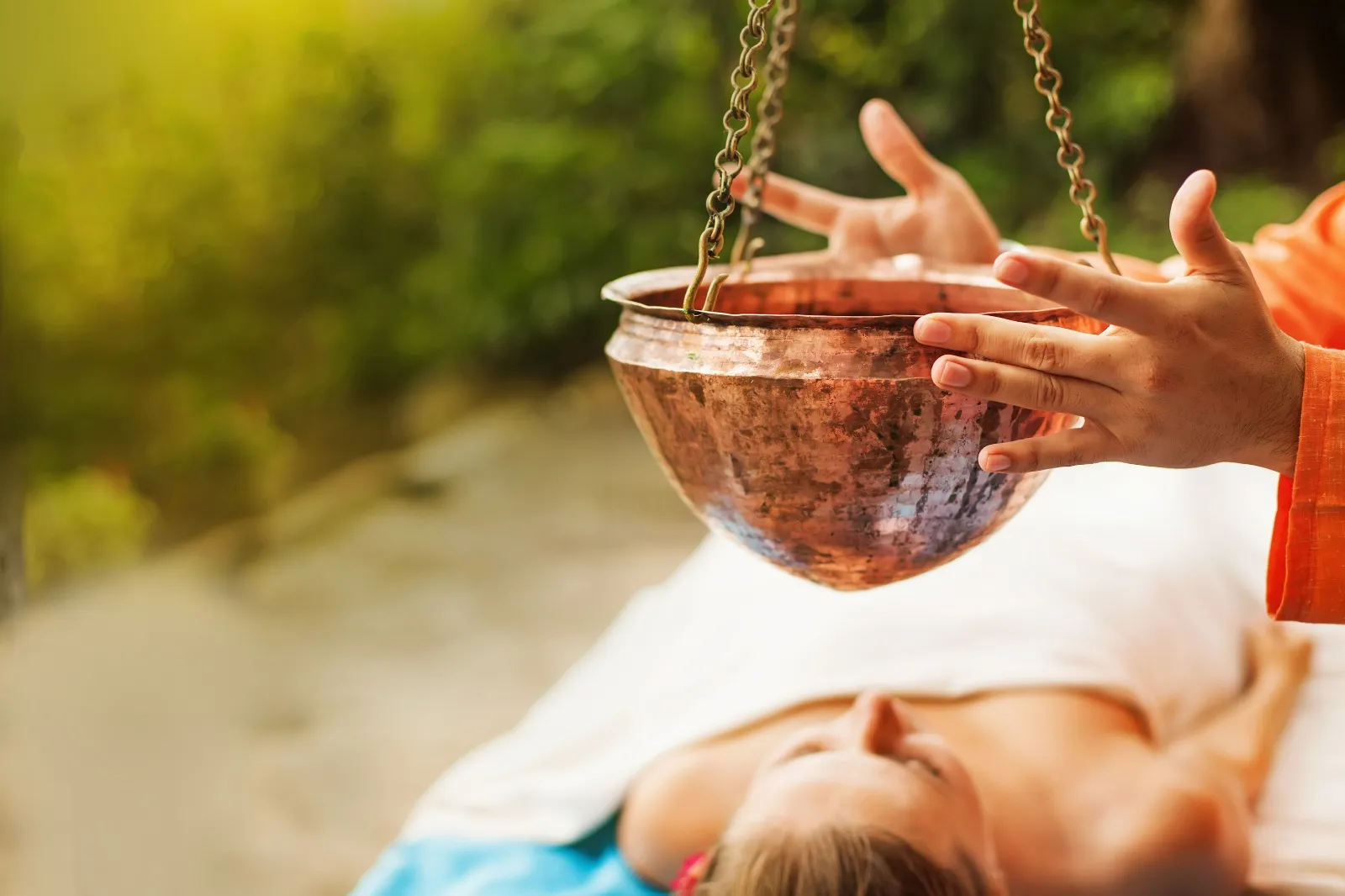
Why One-Size-Fits-All Wellness Fails: A Guide to Your Ayurvedic Body Type
Feb 17, 2026
Never understood why your friend loves raw kale salads while all you do is long for hot stews? Or why certain people can bounce back from a hard week in an hour, while others require a full weekend of solitude to recover?
Current wellness often treats everyone alike, recommending the same diet trend or workout routine as a panacea. But if you’ve attempted these one-size-fits-all strategies and felt like a fish swimming upstream — it’s not because you’re failing. The reason is that your body has its own blueprint.
Ayurveda, the Indian system of holistic medicine that is thousands of years old, recognizes that we’re not separate from nature’s rhythm. Just as seasons change, we require different things from our bodies based on who and what we are. By knowing your Prakriti—your Ayurvedic body type—you can stop battling your natural inclinations and learn to live more in harmony with them.
Know the Fundamentals: What Is Prakriti?
In Western medicine, whether you have healthy blood pressure or heart rate often takes precedence over who you are. Ayurveda takes a different approach. It teaches that health means balancing the particular biological energies in your body, also called doshas.
Your Prakriti is your base constitution with respect to the natural balance of energy with which you were born. Consider it the operating system for your body. It influences everything from the shape of your bones and how you break down food to healthy and unhealthy patterns of the mind during conflict or when you’re trying to sleep.
According to Tridosha theory, each individual has a balance of three energies in the body – Vata, Pitta, and Kapha. We all possess all three, but most of us trend one way or another. Understanding this quality-free framework is the first step in natural body-type healing.
Get to Know Your Doshas: The Three Energies
To learn the Ayurvedic body types, you must first understand the elements that guide them.
Vata Dosha: The Mover and Shaker
Vata is made up of Air and Space. It controls all movement in the body, from a blink of an eye to the flow of blood.
- Vata body type characteristics: Those who are predominantly Vata have a light, thin build and dry skin. Their energy comes in waves—spurts of high intensity followed by periods of lethargy.
- Personality: They are the dreamers and visionaries—energetic, enthusiastic, and quick on their feet.
- Imbalance: When out of balance, Vata may create anxiety, insomnia, bloating, and dry skin.
Pitta Dosha: The One Who Does and the Transformer
Pitta is a combination of Fire and Water. It governs metabolic and digestive processes—essentially all matters of transformation.
Pitta body type characteristics: Pittas tend to be medium-sized and well-built with warm bodies. They digest well and generally have a good appetite.
- Personality: Pittas are natural leaders—driven, clever, and organized.
- Imbalance: Pitta imbalances manifest as irritability, inflammation, heartburn, and skin rashes when the fire burns too hot.
Kapha Dosha: The Nurturer and Stabilizer
Kapha is the combination of Earth and Water. It provides structure, lubrication, and stability in the body.
- Kapha body type characteristics: PKapha predominance results in a solid, strong frame with smooth, shiny skin and plentiful hair. They have excellent stamina.
- Personality: They are the peacemakers—gentle, faithful, patient, and nurturing.
- Imbalance: An accumulation of Kapha can cause fatigue, weight gain, congestion, and lack of motivation.
Discover Your Unique Constitution
Learning about your dosha is not about putting yourself in a box; it’s about finding your map. Consulting an Ayurvedic practitioner is the gold standard, but you can also start your self-discovery journey today.
Begin by considering your habits over the course of your life, not just how you feel today. Are you more cold (Vata) or hot (Pitta)? Does your mind perpetually jump from one thought to the next (Vata), is it sharp and focused (Pitta), or steady and peaceful (Kapha)?
Two-dosha combinations (for example, Vata-Pitta or Pitta-Kapha) are common, and most people combine two doshas. Understanding this balance is key to applying a particular diet or routine effectively.
Ready to dive deeper? Take an extensive online dosha quiz through Shatavari’s assessment tool to get a clearer idea of your constitution.
Results of Living with Your Dosha
“After knowing your constitution, you can modify your lifestyle to fit it.” Another golden principle of Ayurveda is: like increases like, and opposites balance.
Balancing Vata
Because Vata is cold, light, and dry, you need grounding.
- Lifestyle: Maintain a regular schedule—go to sleep and wake at the same time.
- Nutrition: Choose warm, cooked, and moist foods such as soups and stews. Avoid raw salads and ice-cold drinks.
Balancing Pitta
Since Pitta is hot and sharp, you require cooling.
- Lifestyle: Avoid overheating. Favor non-competitive exercise, especially in nature and near water.
- Nutrition: Eat cooling, sweet, and bitter foods such as leafy greens, cucumber, and coconut. Limit spicy foods and alcohol.
Balancing Kapha
Since Kapha is heavy, slow, and cool, you need stimulation.
- Lifestyle: Warm up on first rising, followed by a daily regimen of vigorous exercise to energize the body. Variety and novelty are your friends.
- Nutrition: Emphasize warm, light, and slightly spicy foods. Warming spices like ginger and black pepper support digestion.
Looking for support? Discover our constitutional blends that specifically help restore your particular dosha.
Your Journey to Constitutional Balance
Your constitution is a gift—it's how you perceive the world. By living according to the principles of your unique Ayurvedic mind–body type, you can move from struggle to flow.
You don’t have to overhaul your life all at once. Begin with one small change to support your dosha—maybe a warm breakfast for Vata, a cooling breath practice for Pitta, or an active morning walk for Kapha. Listen to your body; it has been trying to tell you all along.
Visit Shatavari Ayurveda to begin your Ayurvedic wellness journey and learn more about living with nature.
POPULAR
BLOG POSTS
- Ayurvedic Treatment for Fatty Liver: What Really Helps, and What Doesn't
Oct 05, 2026 - Ayurvedic Treatment for Multiple Sclerosis: Supportive Care, Therapies and What to Expect
Sep 29, 2026 - Panchakarma: Vamana, Virechana, Basti, Nasya & Raktamokshana
Sep 28, 2026 - Ayurveda Meditation: Healing the Mind, Body & Consciousness
Sep 27, 2026 - Ayurvedic Treatment for Arthritis: The Role of Diet and Lifestyle
Sep 15, 2026 - Ayurvedic Treatment for PMOS: How Panchakarma and Ayurvedic Fertility Care Support Hormonal Balance
Sep 09, 2026 - Ayurvedic Treatment for Women: Hormones, Hair, Skin, Stress & Fertility
Sep 1, 2026 - Leech Therapy Ayurveda for Varicose Veins: Reduce Pain and Improve Blood Circulation Naturally
Aug 27, 2026 - How Panchakarma Treatment Supports Natural Detoxification and Wellness
Aug 20, 2026 - Kerala Panchakarma for Back Pain and Joint Stiffness
Aug 1, 2026 - Ayurvedic Rejuvenation Treatment: What It Is and How It Works
July 21, 2026 - An Ultimate Guide for Ayurvedic Treatment of Sinusitis and Allergies
July 10, 2026 - How Ayurveda Supports Weight Management Without Dieting
June 30, 2026 - Planning a Karkidaka Chikitsa Retreat in Wayanad, Kerala: A Guide for International Guests
June 22, 2026 - Best Time for Panchakarma in Kerala: Why Choose a Monsoon Ayurveda Detox Retreat?
June 8, 2026 - Heal Naturally with Monsoon Treatments in Ayurveda: A Guide to Karkkidaka Treatment
May 30, 2026 - What is hypertension? Symptoms, causes, and Ayurveda treatments
May 26, 2026 - Why Monsoon is the Best Time for Kizhi Therapy in Ayurveda
May 25, 2026 - Why Shirodhara is Done: 7 Powerful Benefits for Mind & Body
April 17, 2026 - 7 Powerful Benefits of an Ayurveda Retreat
April 17, 2026 - Nasyam: The Ayurvedic Nose Therapy That Clears More Than Congestion
March 10, 2026 - Why One-Size-Fits-All Wellness Fails: A Guide to Your Ayurvedic Body Type
Feb 17, 2026 - Ayurvedic Detox: How to Cleanse Your Body the Natural Way
Feb 17, 2026 - Breathe Easy: Natural Ayurvedic Solutions for Sinus and Cold-Season Problems
Feb 7, 2026 - Living in Balance: A Daily Guide to Yoga and Ayurveda
Jan 12, 2026 - 10 Reasons Why Panchakarma Is the Ultimate Detox
Oct 28, 2025 - From Panchakarma to Peace: A Beginner's Guide to Ayurveda
Aug 30, 2025 - Transformative Healing Through Personalized Ayurveda at Shatavari Ayurveda
July 15, 2025 - Balance Your Doshas with the Seasons: A Fresh Approach to Eating
June 29, 2025 - How Vata, Pitta, and Kapha Influence Your Mind, Body, and Energy ?
June 13, 2025 - Why an Ayurveda Resort in Wayanad Is the Ultimate Wellness Gateway ?
May 29, 2025 - Ayurveda Leech Therapy: A Time-Tested Healing Practice
April 22, 2025 - Cupping Therapy: An Ancient Healing Practice for Modern Health
April 3, 2025 - Ayurveda for Mental Wellness: Healing Stress and Anxiety Naturally
March 8, 2025 - The Science Behind the Healing Power of Ayurveda
Feb 20, 2025 - Panchakarma: Five Ayurvedic Therapies for Effective Detoxification
Feb 11, 2025 - Why Ayurveda Could Be Europe’s Hottest Wellness Trend ?
Jan 22, 2025 - Yoga for Health: A Path to Physical and Mental Well-being
Aug 16, 2024 - Ayurveda in Europe: Integrating Eastern Medicine into Western Lifestyles
Aug 16, 2024 - Wayanad United: Shatavari Ayurveda’s Commitment to Healing and Hope
Aug 16, 2024 - Ayurveda: Science of Life - Ancient Wisdom for Contemporary Health
Aug 8, 2024 - Kerala Wellness Centres_ Your Guide to Ayurvedic Detox and Rejuvenation
Jul 20, 2024 - How My Visit to an Ayurveda Retreat Centre Transformed My Life ?
Jul 18, 2024 - What is an Ayurveda Retreat?
Jul 13, 2024 - Shatkarma and Its Role in Modern Yoga Practice
Jul 10, 2024 - Best Ayurvedic Package for Women
Aug 3, 2023 - Yoga: A Holistic Way to Boost Your Respiratory Health and Overall Well-being
Jul 28, 2023 - Does Yoga Improve Lung Function?
Jul 5, 2023 - Best Ayurvedic Treatment for Stress
June 20, 2023 - Where to Get an Ayurvedic Consultation in Europe?
June 26, 2023 - How Is Ayurveda Beneficial For Arthritis?
June 18, 2023 - The Role of Ayurveda In the Constitution of The Body
June 1, 2023 - Which Is the Best Ayurvedic Treatment Centre in Kerala?
May 30, 2023 - The Healing Power of Food
May 23, 2023 - Ayurveda: Ancient Wisdom for Modern Well-Being
May 18, 2023 - Ayurveda's Simple Ways to Reduce Stress
May 2, 2023 - Ayurveda's Ancient Magic Meets Modern Living
April 20, 2023 - Ayurvedic Immunity Boosting Measures
Mar 31, 2023 - Ayurvedic Treatment for Post-Covid Health
Mar 25, 2023 - Indian Spirituality
Mar 13, 2023 - Does Ayurveda Treat Weight Loss?
Feb 21, 2023 - Ayurveda Doctor in Europe
Feb 5, 2023 - Ayurveda Treatments in India: How to Get an Online Medical Visa?
Jan 24, 2023 - Kerala Ayurvedic Centre
Dec 10, 2022 - Ayurvedic Spa Treatments
Nov 25, 2022 - Ayurvedic Capsules for Good Health
Oct 10, 2022 - How Can Ayurvedic Treatment Help People with Diabetes?
Jun 3, 2022 - Why Is Kerala Considered the Ideal Destination for Ayurvedic Treatment?
May 10, 2022