

POPULAR
BLOG POSTS


- Ayurvedic Treatment for Fatty Liver: What Really Helps, and What Doesn't
Oct 05, 2026 - Ayurvedic Treatment for Multiple Sclerosis: Supportive Care, Therapies and What to Expect
Sep 29, 2026 - Panchakarma: Vamana, Virechana, Basti, Nasya & Raktamokshana
Sep 28, 2026 - Ayurveda Meditation: Healing the Mind, Body & Consciousness
Sep 27, 2026 - Ayurvedic Treatment for Arthritis: The Role of Diet and Lifestyle
Sep 15, 2026 - Ayurvedic Treatment for PMOS: How Panchakarma and Ayurvedic Fertility Care Support Hormonal Balance
Sep 09, 2026 - Ayurvedic Treatment for Women: Hormones, Hair, Skin, Stress & Fertility
Sep 1, 2026 - Leech Therapy Ayurveda for Varicose Veins: Reduce Pain and Improve Blood Circulation Naturally
Aug 27, 2026 - How Panchakarma Treatment Supports Natural Detoxification and Wellness
Aug 20, 2026 - Kerala Panchakarma for Back Pain and Joint Stiffness
Aug 1, 2026 - Ayurvedic Rejuvenation Treatment: What It Is and How It Works
July 21, 2026 - An Ultimate Guide for Ayurvedic Treatment of Sinusitis and Allergies
July 10, 2026 - How Ayurveda Supports Weight Management Without Dieting
June 30, 2026 - Planning a Karkidaka Chikitsa Retreat in Wayanad, Kerala: A Guide for International Guests
June 22, 2026 - Best Time for Panchakarma in Kerala: Why Choose a Monsoon Ayurveda Detox Retreat?
June 8, 2026 - Heal Naturally with Monsoon Treatments in Ayurveda: A Guide to Karkkidaka Treatment
May 30, 2026 - What is hypertension? Symptoms, causes, and Ayurveda treatments
May 26, 2026 - Why Monsoon is the Best Time for Kizhi Therapy in Ayurveda
May 25, 2026 - Why Shirodhara is Done: 7 Powerful Benefits for Mind & Body
April 17, 2026 - 7 Powerful Benefits of an Ayurveda Retreat
April 17, 2026 - Nasyam: The Ayurvedic Nose Therapy That Clears More Than Congestion
March 10, 2026 - Why One-Size-Fits-All Wellness Fails: A Guide to Your Ayurvedic Body Type
Feb 17, 2026 - Ayurvedic Detox: How to Cleanse Your Body the Natural Way
Feb 17, 2026 - Breathe Easy: Natural Ayurvedic Solutions for Sinus and Cold-Season Problems
Feb 7, 2026 - Living in Balance: A Daily Guide to Yoga and Ayurveda
Jan 12, 2026 - 10 Reasons Why Panchakarma Is the Ultimate Detox
Oct 28, 2025 - From Panchakarma to Peace: A Beginner's Guide to Ayurveda
Aug 30, 2025 - Transformative Healing Through Personalized Ayurveda at Shatavari Ayurveda
July 15, 2025 - Balance Your Doshas with the Seasons: A Fresh Approach to Eating
June 29, 2025 - How Vata, Pitta, and Kapha Influence Your Mind, Body, and Energy ?
June 13, 2025 - Why an Ayurveda Resort in Wayanad Is the Ultimate Wellness Gateway ?
May 29, 2025 - Ayurveda Leech Therapy: A Time-Tested Healing Practice
April 22, 2025 - Cupping Therapy: An Ancient Healing Practice for Modern Health
April 3, 2025 - Ayurveda for Mental Wellness: Healing Stress and Anxiety Naturally
March 8, 2025 - The Science Behind the Healing Power of Ayurveda
Feb 20, 2025 - Panchakarma: Five Ayurvedic Therapies for Effective Detoxification
Feb 11, 2025 - Why Ayurveda Could Be Europe’s Hottest Wellness Trend ?
Jan 22, 2025 - Yoga for Health: A Path to Physical and Mental Well-being
Aug 16, 2024 - Ayurveda in Europe: Integrating Eastern Medicine into Western Lifestyles
Aug 16, 2024 - Wayanad United: Shatavari Ayurveda’s Commitment to Healing and Hope
Aug 16, 2024 - Ayurveda: Science of Life - Ancient Wisdom for Contemporary Health
Aug 8, 2024 - Kerala Wellness Centres_ Your Guide to Ayurvedic Detox and Rejuvenation
Jul 20, 2024 - How My Visit to an Ayurveda Retreat Centre Transformed My Life ?
Jul 18, 2024 - What is an Ayurveda Retreat?
Jul 13, 2024 - Shatkarma and Its Role in Modern Yoga Practice
Jul 10, 2024 - Best Ayurvedic Package for Women
Aug 3, 2023 - Yoga: A Holistic Way to Boost Your Respiratory Health and Overall Well-being
Jul 28, 2023 - Does Yoga Improve Lung Function?
Jul 5, 2023 - Best Ayurvedic Treatment for Stress
June 20, 2023 - Where to Get an Ayurvedic Consultation in Europe?
June 26, 2023 - How Is Ayurveda Beneficial For Arthritis?
June 18, 2023 - The Role of Ayurveda In the Constitution of The Body
June 1, 2023 - Which Is the Best Ayurvedic Treatment Centre in Kerala?
May 30, 2023 - The Healing Power of Food
May 23, 2023 - Ayurveda: Ancient Wisdom for Modern Well-Being
May 18, 2023 - Ayurveda's Simple Ways to Reduce Stress
May 2, 2023 - Ayurveda's Ancient Magic Meets Modern Living
April 20, 2023 - Ayurvedic Immunity Boosting Measures
Mar 31, 2023 - Ayurvedic Treatment for Post-Covid Health
Mar 25, 2023 - Indian Spirituality
Mar 13, 2023 - Does Ayurveda Treat Weight Loss?
Feb 21, 2023 - Ayurveda Doctor in Europe
Feb 5, 2023 - Ayurveda Treatments in India: How to Get an Online Medical Visa?
Jan 24, 2023 - Kerala Ayurvedic Centre
Dec 10, 2022 - Ayurvedic Spa Treatments
Nov 25, 2022 - Ayurvedic Capsules for Good Health
Oct 10, 2022 - How Can Ayurvedic Treatment Help People with Diabetes?
Jun 3, 2022 - Why Is Kerala Considered the Ideal Destination for Ayurvedic Treatment?
May 10, 2022
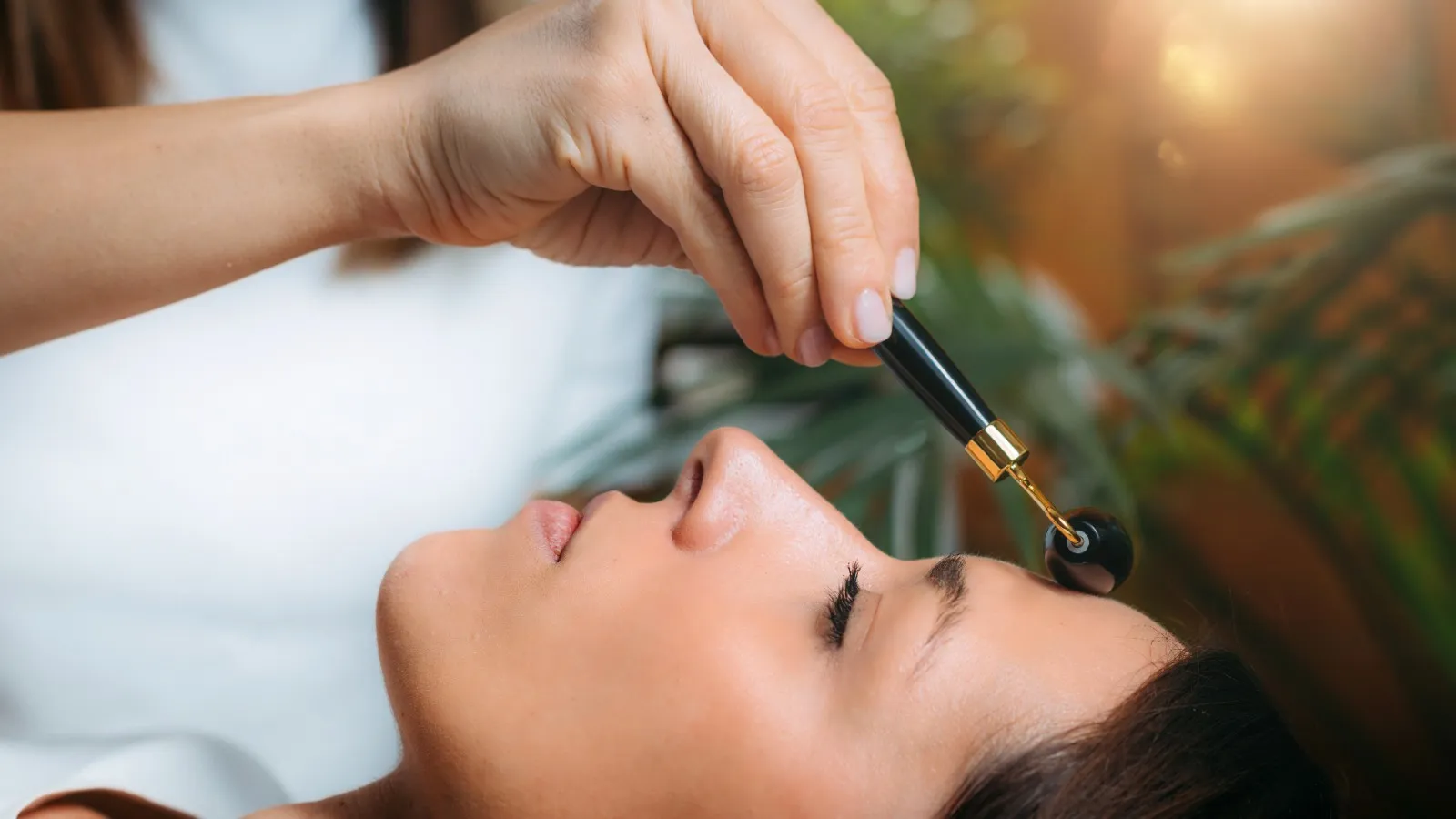
Nasyam: The Ayurvedic Nose Therapy That Clears More Than Congestion
March 10, 2026
Take a moment to breathe air in through your nose and let your breathe out through your mouth. Pay attention to the sensations and the feeling in your head. In Ayurveda, the nose is thought of as a nervous system gateway. Nasyam, or Nasya, is the Ayurvedic practice of gently administering substances through the nostrils. This method is used to calm the nasal passageways and to provide direct access to the upper respiratory system. Nasya treatment in Ayurveda is one of the main classical methods of ancient Ayurveda.
Nasyam is one of the 5 methods of detoxification in Ayurveda, or the Pancha Karma. This method of therapy focuses on the upper regions of the body, particularly the head, neck, sinuses, and the organs of senses, as opposed to the ones that focus on the digestion and the lymphatic systems. Panchakarma Nasya treatment is traditionally used in Ayurveda to cleanse and balance the upper body channels.
In this guide, we will discuss what Nasyam is, how it works, who it is suitable for, and what an actual session looks like, so that you can determine if it is the next step on your wellness journey.
What Is Nasyam In Ayurveda?
Nasyam is an Ayurvedic nasal detox therapy where a medicated preparation is instilled through the nostrils, in a prescribed amount, and then distributed through the nasal passages to the sinuses, throat, and head. This approach is commonly referred to as Nasya treatment in Ayurveda because it directly targets the nasal pathways connected to the head and respiratory system.
According to Ayurvedic texts, the nasal passage is a gateway to the head: “nasa hi shirasodwaram.” Given that multiple vital channels spread through the head, the nasal introduction of therapeutics (herbs or oils) is believed to benefit the uppermost location where they are needed most.
Nasyam is considered an upper body dosha (Vata, Pitta, or Kapha) balancer, and depending on the formulation used, it can alleviate Vata-related dryness, Pitta-related inflammatory swelling of the sinuses, and assist in the clearing of Kapha-related blockages.
Why Do People Consider Nasyam To Be A Powerful Practice?
For centuries, Ayurveda has practiced Nasyam for various conditions involving the head and the respiratory system. Nasyam has been used for the treatment of headaches, sinus congestion, nasal dryness, allergies, and what Ayurveda refers to as “mental heaviness.” In traditional wellness systems, Nasya treatment in Ayurveda is valued for supporting both respiratory comfort and mental clarity.
Mental heaviness describes a condition of having a foggy head, making it hard to concentrate and think clearly.
Nasyam has been reported by several people to provide them with a sense of lightness. Most people find it easier to breathe, and the heaviness in their head seems to be cleared, and the mental tension seems to be gone.
Nasyam is a treatment that has been practiced for a long time and has been recommended by several Ayurvedic practitioners. There are still clinical studies that are underway to evaluate Nasyam, and it is important to be accurate when attributing things to science. However, Nasyam remains a valuable treatment for people suffering from chronic sinus conditions and is a useful treatment during seasons when people are likely to suffer from sinus conditions as a result of prolonged exposure to dry and polluted air.
What To Expect During A Nasyam Session?
Nasyam sessions are never rushed and are done by fully qualified practitioners. Nasyam sessions follow a considerate sequence and flow to ensure the best results.
Practitioner Assessment
Before any treatment can begin, the practitioner assesses your constitution (prakriti), your present state, and any symptoms you are experiencing. This determines which medicinal preparation is best suited for you.
Preparation Of The Face And Neck
A gentle massage of the face, neck, and shoulders takes place with the use of warm herbal oil. This massage relaxes the tissues, enhances blood circulation, and prepares the channels for the reception of the treatment.
Mild Steam Or Fomentation (When Indicated)
By some treatment protocols, soft steam or a warm compress is positioned to the sinuses prior to treatment. This helps to soften any accumulated mucus and opens the nasal cavities.
Administration Of Medicated Drops
With the head gently tilted back, measured dosages of the medicinal preparation are put into each nostril. The patient is asked to breathe naturally, which helps the preparation ascend to the sinuses. This process is a key part of Panchakarma Nasya treatment, where the therapy is performed with careful clinical supervision.
After-Care And Rest
After the treatment, the patient is expected to spit out any mucus that has been loosened, as opposed to swallowing. Rest is advocated. Warm water or herbal drinks can be offered. The practitioner will give diet and activity recommendations for the rest of the day.
The specific preparatory process differs from individual to individual. Common preparations include medicated herbal oils based in sesame or coconut, ghee infusions, juices from fresh plants, and powders from dried herbs. Each preparation has its own individual therapeutic value and indication.
Benefits Of Nasyam
Nasyam therapy can provide certain benefits, including the following:
- Improved nasal breathing and sinus relief
- Eased and improved breathing, particularly during or after a seasonal change, dry weather, or pollution
- Less head heaviness and more mental clarity
- Improved smell, sight, and hearing, which are all upper channels in Ayurveda and require support
Seasonal cleansing in a Panchakarma context, where Panchakarma Nasya treatment is included as part of a broader detoxification process
All benefits of Nasyam therapy should be approached with a practical mindset. It is a supportive therapy meant to be used in conjunction with, and not as a substitute for, professional medical care.
Who Should (And Shouldn't) Try Nasyam
Who It May Benefit
Nasyam is beneficial for individuals with chronic or seasonal nasal and sinus issues, as well as those with regular exposure to dry and polluted air. It is also beneficial for participants in Ayurveda-based cleansing protocols and those who are part of a Panchakarma program, where Panchakarma Nasya treatment plays a role in balancing the upper body channels.
Those Exercising Caution
As a general rule, Nasyam should not be practiced by people who have a fever, acute infections, or active ones, or who have substantial bleeding from the nose, or severe nasal discharge. Those who have been previously ill should speak to an expert. Young children typically should not do this, but an experienced Ayurvedic doctor may advise to do so.
Nasyam should be thought of as a supplementary support therapy. That means it is ideal to use it in combination with other treatments. It should be a part of a tailored comprehensive treatment plan and not be used as a stand-alone therapy.
Nasyam Versus Neti Pot: Are They The Same?
No, the answer is no, they are not the same.
Neti pots are nasal passage cleaning tools and should not be used to practice Nasyam. They are to be used with clean and sterile water or distilled water in order to follow the safety guidelines put in place. They are supposed to clean the nasal passage of dust and pollen as well as clear excess mucus.
In the case of Nasyam, the oils, ghee, juices, and powders used are chosen based on the individual’s constitution and medical condition. The aim of Nasyam is not just to clear the nasal passages, but to also nourish and therapeutically treat the nasal channels and the deeper connected channels. Nasyam is an Ayurvedic clinical technique and should not be confused with home nasal irrigation.
Self Practice Or Professional Guidance?
Classical Ayurvedic texts mention some very simple daily practices of nasal instillation, such as the application of sesame oil to the nasal passages, as practices of daily health. These practices are intended to be soft and uncomplicated.
That said, condition-oriented Nasyam — especially as part of the detox treatment Panchakarma — should only be performed under the guidance of an experienced Ayurvedic doctor. Using the wrong oil, the wrong amount, or the wrong timing of the treatment can lead to disruptions or aggravation of already existing imbalances. Professional supervision adds accessibility, safety, and efficacy to the treatment.
A Gentle Path To Clarity
Nasyam takes place in a therapeutic setting. There are benefits to the act of breathing during a session. Breathing enables healing of the nasal passages as well as the sinuses and provides balance and clarity to the mind. Nasyam has been practiced for thousands of years. Nasyam remains a testament to the knowledge of ancient medicine and the body's design.
When done in a properly guided manner, a Nasyam session can be restorative and therapeutic at the same time, providing the body with a much-needed pause. Nasya treatment in Ayurveda continues to be valued for its role in supporting respiratory wellness and mental clarity.
For those setting their intentions to include Nasyam in their customized Panchakarma programs, the journey begins here.
Book a consultation with our Ayurvedic practitioners to learn how this ancient therapy can help bring balance and clarity to your life.
POPULAR
BLOG POSTS
- Ayurvedic Treatment for Fatty Liver: What Really Helps, and What Doesn't
Oct 05, 2026 - Ayurvedic Treatment for Multiple Sclerosis: Supportive Care, Therapies and What to Expect
Sep 29, 2026 - Panchakarma: Vamana, Virechana, Basti, Nasya & Raktamokshana
Sep 28, 2026 - Ayurveda Meditation: Healing the Mind, Body & Consciousness
Sep 27, 2026 - Ayurvedic Treatment for Arthritis: The Role of Diet and Lifestyle
Sep 15, 2026 - Ayurvedic Treatment for PMOS: How Panchakarma and Ayurvedic Fertility Care Support Hormonal Balance
Sep 09, 2026 - Ayurvedic Treatment for Women: Hormones, Hair, Skin, Stress & Fertility
Sep 1, 2026 - Leech Therapy Ayurveda for Varicose Veins: Reduce Pain and Improve Blood Circulation Naturally
Aug 27, 2026 - How Panchakarma Treatment Supports Natural Detoxification and Wellness
Aug 20, 2026 - Kerala Panchakarma for Back Pain and Joint Stiffness
Aug 1, 2026 - Ayurvedic Rejuvenation Treatment: What It Is and How It Works
July 21, 2026 - An Ultimate Guide for Ayurvedic Treatment of Sinusitis and Allergies
July 10, 2026 - How Ayurveda Supports Weight Management Without Dieting
June 30, 2026 - Planning a Karkidaka Chikitsa Retreat in Wayanad, Kerala: A Guide for International Guests
June 22, 2026 - Best Time for Panchakarma in Kerala: Why Choose a Monsoon Ayurveda Detox Retreat?
June 8, 2026 - Heal Naturally with Monsoon Treatments in Ayurveda: A Guide to Karkkidaka Treatment
May 30, 2026 - What is hypertension? Symptoms, causes, and Ayurveda treatments
May 26, 2026 - Why Monsoon is the Best Time for Kizhi Therapy in Ayurveda
May 25, 2026 - Why Shirodhara is Done: 7 Powerful Benefits for Mind & Body
April 17, 2026 - 7 Powerful Benefits of an Ayurveda Retreat
April 17, 2026 - Nasyam: The Ayurvedic Nose Therapy That Clears More Than Congestion
March 10, 2026 - Why One-Size-Fits-All Wellness Fails: A Guide to Your Ayurvedic Body Type
Feb 17, 2026 - Ayurvedic Detox: How to Cleanse Your Body the Natural Way
Feb 17, 2026 - Breathe Easy: Natural Ayurvedic Solutions for Sinus and Cold-Season Problems
Feb 7, 2026 - Living in Balance: A Daily Guide to Yoga and Ayurveda
Jan 12, 2026 - 10 Reasons Why Panchakarma Is the Ultimate Detox
Oct 28, 2025 - From Panchakarma to Peace: A Beginner's Guide to Ayurveda
Aug 30, 2025 - Transformative Healing Through Personalized Ayurveda at Shatavari Ayurveda
July 15, 2025 - Balance Your Doshas with the Seasons: A Fresh Approach to Eating
June 29, 2025 - How Vata, Pitta, and Kapha Influence Your Mind, Body, and Energy ?
June 13, 2025 - Why an Ayurveda Resort in Wayanad Is the Ultimate Wellness Gateway ?
May 29, 2025 - Ayurveda Leech Therapy: A Time-Tested Healing Practice
April 22, 2025 - Cupping Therapy: An Ancient Healing Practice for Modern Health
April 3, 2025 - Ayurveda for Mental Wellness: Healing Stress and Anxiety Naturally
March 8, 2025 - The Science Behind the Healing Power of Ayurveda
Feb 20, 2025 - Panchakarma: Five Ayurvedic Therapies for Effective Detoxification
Feb 11, 2025 - Why Ayurveda Could Be Europe’s Hottest Wellness Trend ?
Jan 22, 2025 - Yoga for Health: A Path to Physical and Mental Well-being
Aug 16, 2024 - Ayurveda in Europe: Integrating Eastern Medicine into Western Lifestyles
Aug 16, 2024 - Wayanad United: Shatavari Ayurveda’s Commitment to Healing and Hope
Aug 16, 2024 - Ayurveda: Science of Life - Ancient Wisdom for Contemporary Health
Aug 8, 2024 - Kerala Wellness Centres_ Your Guide to Ayurvedic Detox and Rejuvenation
Jul 20, 2024 - How My Visit to an Ayurveda Retreat Centre Transformed My Life ?
Jul 18, 2024 - What is an Ayurveda Retreat?
Jul 13, 2024 - Shatkarma and Its Role in Modern Yoga Practice
Jul 10, 2024 - Best Ayurvedic Package for Women
Aug 3, 2023 - Yoga: A Holistic Way to Boost Your Respiratory Health and Overall Well-being
Jul 28, 2023 - Does Yoga Improve Lung Function?
Jul 5, 2023 - Best Ayurvedic Treatment for Stress
June 20, 2023 - Where to Get an Ayurvedic Consultation in Europe?
June 26, 2023 - How Is Ayurveda Beneficial For Arthritis?
June 18, 2023 - The Role of Ayurveda In the Constitution of The Body
June 1, 2023 - Which Is the Best Ayurvedic Treatment Centre in Kerala?
May 30, 2023 - The Healing Power of Food
May 23, 2023 - Ayurveda: Ancient Wisdom for Modern Well-Being
May 18, 2023 - Ayurveda's Simple Ways to Reduce Stress
May 2, 2023 - Ayurveda's Ancient Magic Meets Modern Living
April 20, 2023 - Ayurvedic Immunity Boosting Measures
Mar 31, 2023 - Ayurvedic Treatment for Post-Covid Health
Mar 25, 2023 - Indian Spirituality
Mar 13, 2023 - Does Ayurveda Treat Weight Loss?
Feb 21, 2023 - Ayurveda Doctor in Europe
Feb 5, 2023 - Ayurveda Treatments in India: How to Get an Online Medical Visa?
Jan 24, 2023 - Kerala Ayurvedic Centre
Dec 10, 2022 - Ayurvedic Spa Treatments
Nov 25, 2022 - Ayurvedic Capsules for Good Health
Oct 10, 2022 - How Can Ayurvedic Treatment Help People with Diabetes?
Jun 3, 2022 - Why Is Kerala Considered the Ideal Destination for Ayurvedic Treatment?
May 10, 2022