

POPULAR
BLOG POSTS


- Ayurvedic Treatment for Fatty Liver: What Really Helps, and What Doesn't
Oct 05, 2026 - Ayurvedic Treatment for Multiple Sclerosis: Supportive Care, Therapies and What to Expect
Sep 29, 2026 - Panchakarma: Vamana, Virechana, Basti, Nasya & Raktamokshana
Sep 28, 2026 - Ayurveda Meditation: Healing the Mind, Body & Consciousness
Sep 27, 2026 - Ayurvedic Treatment for Arthritis: The Role of Diet and Lifestyle
Sep 15, 2026 - Ayurvedic Treatment for PMOS: How Panchakarma and Ayurvedic Fertility Care Support Hormonal Balance
Sep 09, 2026 - Ayurvedic Treatment for Women: Hormones, Hair, Skin, Stress & Fertility
Sep 1, 2026 - Leech Therapy Ayurveda for Varicose Veins: Reduce Pain and Improve Blood Circulation Naturally
Aug 27, 2026 - How Panchakarma Treatment Supports Natural Detoxification and Wellness
Aug 20, 2026 - Kerala Panchakarma for Back Pain and Joint Stiffness
Aug 1, 2026 - Ayurvedic Rejuvenation Treatment: What It Is and How It Works
July 21, 2026 - An Ultimate Guide for Ayurvedic Treatment of Sinusitis and Allergies
July 10, 2026 - How Ayurveda Supports Weight Management Without Dieting
June 30, 2026 - Planning a Karkidaka Chikitsa Retreat in Wayanad, Kerala: A Guide for International Guests
June 22, 2026 - Best Time for Panchakarma in Kerala: Why Choose a Monsoon Ayurveda Detox Retreat?
June 8, 2026 - Heal Naturally with Monsoon Treatments in Ayurveda: A Guide to Karkkidaka Treatment
May 30, 2026 - What is hypertension? Symptoms, causes, and Ayurveda treatments
May 26, 2026 - Why Monsoon is the Best Time for Kizhi Therapy in Ayurveda
May 25, 2026 - Why Shirodhara is Done: 7 Powerful Benefits for Mind & Body
April 17, 2026 - 7 Powerful Benefits of an Ayurveda Retreat
April 17, 2026 - Nasyam: The Ayurvedic Nose Therapy That Clears More Than Congestion
March 10, 2026 - Why One-Size-Fits-All Wellness Fails: A Guide to Your Ayurvedic Body Type
Feb 17, 2026 - Ayurvedic Detox: How to Cleanse Your Body the Natural Way
Feb 17, 2026 - Breathe Easy: Natural Ayurvedic Solutions for Sinus and Cold-Season Problems
Feb 7, 2026 - Living in Balance: A Daily Guide to Yoga and Ayurveda
Jan 12, 2026 - 10 Reasons Why Panchakarma Is the Ultimate Detox
Oct 28, 2025 - From Panchakarma to Peace: A Beginner's Guide to Ayurveda
Aug 30, 2025 - Transformative Healing Through Personalized Ayurveda at Shatavari Ayurveda
July 15, 2025 - Balance Your Doshas with the Seasons: A Fresh Approach to Eating
June 29, 2025 - How Vata, Pitta, and Kapha Influence Your Mind, Body, and Energy ?
June 13, 2025 - Why an Ayurveda Resort in Wayanad Is the Ultimate Wellness Gateway ?
May 29, 2025 - Ayurveda Leech Therapy: A Time-Tested Healing Practice
April 22, 2025 - Cupping Therapy: An Ancient Healing Practice for Modern Health
April 3, 2025 - Ayurveda for Mental Wellness: Healing Stress and Anxiety Naturally
March 8, 2025 - The Science Behind the Healing Power of Ayurveda
Feb 20, 2025 - Panchakarma: Five Ayurvedic Therapies for Effective Detoxification
Feb 11, 2025 - Why Ayurveda Could Be Europe’s Hottest Wellness Trend ?
Jan 22, 2025 - Yoga for Health: A Path to Physical and Mental Well-being
Aug 16, 2024 - Ayurveda in Europe: Integrating Eastern Medicine into Western Lifestyles
Aug 16, 2024 - Wayanad United: Shatavari Ayurveda’s Commitment to Healing and Hope
Aug 16, 2024 - Ayurveda: Science of Life - Ancient Wisdom for Contemporary Health
Aug 8, 2024 - Kerala Wellness Centres_ Your Guide to Ayurvedic Detox and Rejuvenation
Jul 20, 2024 - How My Visit to an Ayurveda Retreat Centre Transformed My Life ?
Jul 18, 2024 - What is an Ayurveda Retreat?
Jul 13, 2024 - Shatkarma and Its Role in Modern Yoga Practice
Jul 10, 2024 - Best Ayurvedic Package for Women
Aug 3, 2023 - Yoga: A Holistic Way to Boost Your Respiratory Health and Overall Well-being
Jul 28, 2023 - Does Yoga Improve Lung Function?
Jul 5, 2023 - Best Ayurvedic Treatment for Stress
June 20, 2023 - Where to Get an Ayurvedic Consultation in Europe?
June 26, 2023 - How Is Ayurveda Beneficial For Arthritis?
June 18, 2023 - The Role of Ayurveda In the Constitution of The Body
June 1, 2023 - Which Is the Best Ayurvedic Treatment Centre in Kerala?
May 30, 2023 - The Healing Power of Food
May 23, 2023 - Ayurveda: Ancient Wisdom for Modern Well-Being
May 18, 2023 - Ayurveda's Simple Ways to Reduce Stress
May 2, 2023 - Ayurveda's Ancient Magic Meets Modern Living
April 20, 2023 - Ayurvedic Immunity Boosting Measures
Mar 31, 2023 - Ayurvedic Treatment for Post-Covid Health
Mar 25, 2023 - Indian Spirituality
Mar 13, 2023 - Does Ayurveda Treat Weight Loss?
Feb 21, 2023 - Ayurveda Doctor in Europe
Feb 5, 2023 - Ayurveda Treatments in India: How to Get an Online Medical Visa?
Jan 24, 2023 - Kerala Ayurvedic Centre
Dec 10, 2022 - Ayurvedic Spa Treatments
Nov 25, 2022 - Ayurvedic Capsules for Good Health
Oct 10, 2022 - How Can Ayurvedic Treatment Help People with Diabetes?
Jun 3, 2022 - Why Is Kerala Considered the Ideal Destination for Ayurvedic Treatment?
May 10, 2022
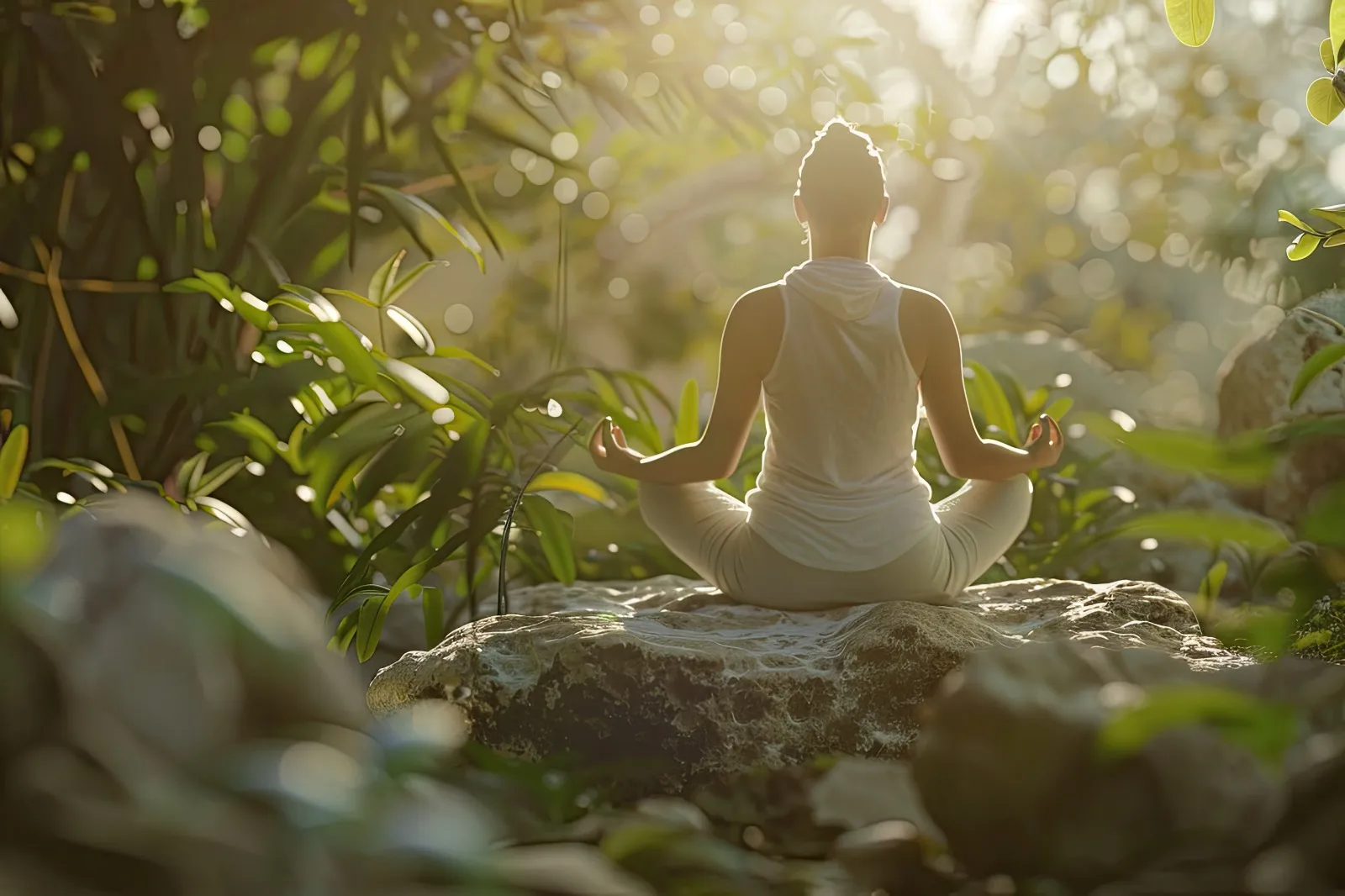
Ayurvedic Meditation — Healing the Mind, Body and Consciousness
Sep 27, 2026
Ayurveda meditation is a meditation practice based on an Ayurvedic foundation that promotes balance in the mind, body & spirit through the use of a dosha-aligned meditation technique (Vata, Pitta, or Kapha). It does not involve general meditation, but instead uses dosha-specific breathing, yoga, and daily routines to quiet the mind (manas), correct the gunas, and increase self-awareness.
Ayurveda has viewed both mind and body as one connected system rather than two distinct systems for thousands of years. Ayurveda meditation puts this idea into motion, providing an avenue of balance within the self that is so much more than just shutting your thoughts up.
So, in this guide, we cover what is unique about Ayurveda meditation and its connection to yoga, as well as how you can create a practice based on your own needs, starting today.
What Is Ayurveda Meditation?
Ayurveda Meditation – An Introduction
Ayurveda meditation is a form of meditation that utilizes principles from India’s ancient system of medicine and natural healing. Instead of teaching generic techniques, it customizes meditation according to a person's dosha, their unique mind-body constitution.
There are three doshas in Ayurveda – Vata (air and space), Pitta (fire and water), and Kapha (earth and water). Ayurveda meditation techniques are then adjusted based on how each dosha affects thinking, feeling, and reacting to stress.
Grounding, slow-paced meditation might be the necessary antidote for someone who is Vata-dominant, while a Pitta-dominant person may balance intensity with cooling, calming techniques.
How Does Ayurveda Perceive the Mind?
Ayurveda names the mind manas, a subtle tool that handles our thoughts, feelings, and sensory perceptions. From the Ayurvedic perspective, mental balance depends on three gunas (qualities): sattva (purity), rajas (activity), and tamas (inertia).
When rajas or tamas become dominant, the mind becomes agitated or dull and may affect the body, causing tightened muscles, impaired digestion, fatigue, etc. The goal of Ayurvedic meditation is to build sattva, leading to more clarity and stability in the mind.
The Relationship Between Ayurveda and Yoga
Both Ayurveda and yoga have a common Vedic origin and are meant to complement each other. Yoga is the practice that primes our body & mind to meditate, and Ayurveda is what we use to customize how we prepare.
A Kapha-based person would do energizing, dynamic yoga sequences, whereas a Pitta-dominant type of body will practice cooling and restorative poses. By addressing these doshas, this approach allows yoga practitioners to meditate more effectively when physical and mental imbalances are resolved.
What Are the Best Ayurveda Yoga Meditation Techniques?
Ayurveda yoga meditation is where dosha-specific pranayama (breathing practices) meets asanas (postures that help the body prepare for stillness).
For Vata Types
Ujjayi pranayama — Other than sitting for a few moments in modified corpse pose and using warm blankets to wind down, you want this kind of breathing sequence that can help the Vata person stay grounded.
Cooling techniques such as Sheetali pranayama also come in handy for Pitta types. Kapalabhati and other energizing practices suit Kapha types best.
Sequencing matters, too. Taking a few moments to do some asanas before your meditation practice can help release excess physical tension and allow you the ability to hold still in the body while focusing your mind on the task at hand.
What Are Some Ayurvedic Practices to Calm the Mind?
The foundation of mental steadiness in Ayurveda is dinacharya, or daily routine. Getting up and going to bed at the same time, chewing your food properly, and practicing grounding breathwork can help our minds quiet down.
Some simple practices, such as slow nasal breathing or a short walk in nature, can help discharge stress immediately. These lifestyle habits build the very foundation for a deeper meditation over time.
Ayurveda – A New Science of Consciousness Healing
One of those six consciousnesses, or chitta in Sanskrit, is the deepest layer of the mind—the abode of awareness that lies beneath thoughts and emotions.
Stress relief is the most commonly recognized benefit of meditation; however, Ayurveda sees this as only the first step. When meditation goes beyond symptom relief into lasting self-awareness, healing of consciousness occurs.
Ayurveda meditation is not yet another technique for calm, but more than that, it is a tool to build inner balance for good.
Advantages of Ayurveda Meditation
Meditation in Ayurveda has three-fold benefits.
- Mental: Improved clarity, focus, and emotional balance.
- Physical: Better sleep, less stress, and better digestion.
- Spiritual:Increased self-awareness and a greater sense of inner peace.
What Is the Way to Approach Ayurvedic Meditation?
Start by getting an assessment of your dominant dosha through consultation or a trusted resource on Ayurveda. Now that you know your constitution, give this simple routine for beginners a try:
- Sit in a comfortable position and practice dosha-specific pranayama for five minutes.
- Practice deep breathing/meditation, followed by 10–15 minutes of silent meditation with your attention placed on the breath.
- Include a moment of gratitude or reflection.
Consistency matters more than duration. The groundwork for permanent change can begin with just five minutes of practice each day.
Frequently Asked Questions
How Does Ayurveda Meditation Differ From Normal Meditation?
Ayurveda meditation customizes your techniques according to your dosha, while regular meditation uses more of a one-size-fits-all approach.
Can I Start Practicing Ayurveda Meditation as a Beginner?
Yes. A simple breathing or short meditation session is a good beginning, provided it comes after knowing one's dosha.
Ayurveda Meditation for Stress and Anxiety
Chanting as part of an Ayurvedic meditation is a way to lower stress hormones by reducing excess Vata with calming mudras (sphoti) and following daily routines for grounding (dinacharya). The root causes of discordance must be addressed.
Begin Your Journey to Balance
Ayurveda meditation differs from conventional meditation practices in that it establishes an integral union between body, mind, and consciousness through a personalized holistic approach.
Through dosha identification and routine setting, you create the baseline for restoring your balance and self-awareness. When you are ready to go deeper, connect with an Ayurvedic practitioner or meditate with a guided meditation based on your dosha.
POPULAR
BLOG POSTS
- Ayurvedic Treatment for Fatty Liver: What Really Helps, and What Doesn't
Oct 05, 2026 - Ayurvedic Treatment for Multiple Sclerosis: Supportive Care, Therapies and What to Expect
Sep 29, 2026 - Panchakarma: Vamana, Virechana, Basti, Nasya & Raktamokshana
Sep 28, 2026 - Ayurveda Meditation: Healing the Mind, Body & Consciousness
Sep 27, 2026 - Ayurvedic Treatment for Arthritis: The Role of Diet and Lifestyle
Sep 15, 2026 - Ayurvedic Treatment for PMOS: How Panchakarma and Ayurvedic Fertility Care Support Hormonal Balance
Sep 09, 2026 - Ayurvedic Treatment for Women: Hormones, Hair, Skin, Stress & Fertility
Sep 1, 2026 - Leech Therapy Ayurveda for Varicose Veins: Reduce Pain and Improve Blood Circulation Naturally
Aug 27, 2026 - How Panchakarma Treatment Supports Natural Detoxification and Wellness
Aug 20, 2026 - Kerala Panchakarma for Back Pain and Joint Stiffness
Aug 1, 2026 - Ayurvedic Rejuvenation Treatment: What It Is and How It Works
July 21, 2026 - An Ultimate Guide for Ayurvedic Treatment of Sinusitis and Allergies
July 10, 2026 - How Ayurveda Supports Weight Management Without Dieting
June 30, 2026 - Planning a Karkidaka Chikitsa Retreat in Wayanad, Kerala: A Guide for International Guests
June 22, 2026 - Best Time for Panchakarma in Kerala: Why Choose a Monsoon Ayurveda Detox Retreat?
June 8, 2026 - Heal Naturally with Monsoon Treatments in Ayurveda: A Guide to Karkkidaka Treatment
May 30, 2026 - What is hypertension? Symptoms, causes, and Ayurveda treatments
May 26, 2026 - Why Monsoon is the Best Time for Kizhi Therapy in Ayurveda
May 25, 2026 - Why Shirodhara is Done: 7 Powerful Benefits for Mind & Body
April 17, 2026 - 7 Powerful Benefits of an Ayurveda Retreat
April 17, 2026 - Nasyam: The Ayurvedic Nose Therapy That Clears More Than Congestion
March 10, 2026 - Why One-Size-Fits-All Wellness Fails: A Guide to Your Ayurvedic Body Type
Feb 17, 2026 - Ayurvedic Detox: How to Cleanse Your Body the Natural Way
Feb 17, 2026 - Breathe Easy: Natural Ayurvedic Solutions for Sinus and Cold-Season Problems
Feb 7, 2026 - Living in Balance: A Daily Guide to Yoga and Ayurveda
Jan 12, 2026 - 10 Reasons Why Panchakarma Is the Ultimate Detox
Oct 28, 2025 - From Panchakarma to Peace: A Beginner's Guide to Ayurveda
Aug 30, 2025 - Transformative Healing Through Personalized Ayurveda at Shatavari Ayurveda
July 15, 2025 - Balance Your Doshas with the Seasons: A Fresh Approach to Eating
June 29, 2025 - How Vata, Pitta, and Kapha Influence Your Mind, Body, and Energy ?
June 13, 2025 - Why an Ayurveda Resort in Wayanad Is the Ultimate Wellness Gateway ?
May 29, 2025 - Ayurveda Leech Therapy: A Time-Tested Healing Practice
April 22, 2025 - Cupping Therapy: An Ancient Healing Practice for Modern Health
April 3, 2025 - Ayurveda for Mental Wellness: Healing Stress and Anxiety Naturally
March 8, 2025 - The Science Behind the Healing Power of Ayurveda
Feb 20, 2025 - Panchakarma: Five Ayurvedic Therapies for Effective Detoxification
Feb 11, 2025 - Why Ayurveda Could Be Europe’s Hottest Wellness Trend ?
Jan 22, 2025 - Yoga for Health: A Path to Physical and Mental Well-being
Aug 16, 2024 - Ayurveda in Europe: Integrating Eastern Medicine into Western Lifestyles
Aug 16, 2024 - Wayanad United: Shatavari Ayurveda’s Commitment to Healing and Hope
Aug 16, 2024 - Ayurveda: Science of Life - Ancient Wisdom for Contemporary Health
Aug 8, 2024 - Kerala Wellness Centres_ Your Guide to Ayurvedic Detox and Rejuvenation
Jul 20, 2024 - How My Visit to an Ayurveda Retreat Centre Transformed My Life ?
Jul 18, 2024 - What is an Ayurveda Retreat?
Jul 13, 2024 - Shatkarma and Its Role in Modern Yoga Practice
Jul 10, 2024 - Best Ayurvedic Package for Women
Aug 3, 2023 - Yoga: A Holistic Way to Boost Your Respiratory Health and Overall Well-being
Jul 28, 2023 - Does Yoga Improve Lung Function?
Jul 5, 2023 - Best Ayurvedic Treatment for Stress
June 20, 2023 - Where to Get an Ayurvedic Consultation in Europe?
June 26, 2023 - How Is Ayurveda Beneficial For Arthritis?
June 18, 2023 - The Role of Ayurveda In the Constitution of The Body
June 1, 2023 - Which Is the Best Ayurvedic Treatment Centre in Kerala?
May 30, 2023 - The Healing Power of Food
May 23, 2023 - Ayurveda: Ancient Wisdom for Modern Well-Being
May 18, 2023 - Ayurveda's Simple Ways to Reduce Stress
May 2, 2023 - Ayurveda's Ancient Magic Meets Modern Living
April 20, 2023 - Ayurvedic Immunity Boosting Measures
Mar 31, 2023 - Ayurvedic Treatment for Post-Covid Health
Mar 25, 2023 - Indian Spirituality
Mar 13, 2023 - Does Ayurveda Treat Weight Loss?
Feb 21, 2023 - Ayurveda Doctor in Europe
Feb 5, 2023 - Ayurveda Treatments in India: How to Get an Online Medical Visa?
Jan 24, 2023 - Kerala Ayurvedic Centre
Dec 10, 2022 - Ayurvedic Spa Treatments
Nov 25, 2022 - Ayurvedic Capsules for Good Health
Oct 10, 2022 - How Can Ayurvedic Treatment Help People with Diabetes?
Jun 3, 2022 - Why Is Kerala Considered the Ideal Destination for Ayurvedic Treatment?
May 10, 2022