
POPULAR
BLOG POSTS


- Ayurvedic Treatment for Fatty Liver: What Really Helps, and What Doesn't
Oct 05, 2026 - Ayurvedic Treatment for Multiple Sclerosis: Supportive Care, Therapies and What to Expect
Sep 29, 2026 - Panchakarma: Vamana, Virechana, Basti, Nasya & Raktamokshana
Sep 28, 2026 - Ayurveda Meditation: Healing the Mind, Body & Consciousness
Sep 27, 2026 - Ayurvedic Treatment for Arthritis: The Role of Diet and Lifestyle
Sep 15, 2026 - Ayurvedic Treatment for PMOS: How Panchakarma and Ayurvedic Fertility Care Support Hormonal Balance
Sep 09, 2026 - Ayurvedic Treatment for Women: Hormones, Hair, Skin, Stress & Fertility
Sep 1, 2026 - Leech Therapy Ayurveda for Varicose Veins: Reduce Pain and Improve Blood Circulation Naturally
Aug 27, 2026 - How Panchakarma Treatment Supports Natural Detoxification and Wellness
Aug 20, 2026 - Kerala Panchakarma for Back Pain and Joint Stiffness
Aug 1, 2026 - Ayurvedic Rejuvenation Treatment: What It Is and How It Works
July 21, 2026 - An Ultimate Guide for Ayurvedic Treatment of Sinusitis and Allergies
July 10, 2026 - How Ayurveda Supports Weight Management Without Dieting
June 30, 2026 - Planning a Karkidaka Chikitsa Retreat in Wayanad, Kerala: A Guide for International Guests
June 22, 2026 - Best Time for Panchakarma in Kerala: Why Choose a Monsoon Ayurveda Detox Retreat?
June 8, 2026 - Heal Naturally with Monsoon Treatments in Ayurveda: A Guide to Karkkidaka Treatment
May 30, 2026 - What is hypertension? Symptoms, causes, and Ayurveda treatments
May 26, 2026 - Why Monsoon is the Best Time for Kizhi Therapy in Ayurveda
May 25, 2026 - Why Shirodhara is Done: 7 Powerful Benefits for Mind & Body
April 17, 2026 - 7 Powerful Benefits of an Ayurveda Retreat
April 17, 2026 - Nasyam: The Ayurvedic Nose Therapy That Clears More Than Congestion
March 10, 2026 - Why One-Size-Fits-All Wellness Fails: A Guide to Your Ayurvedic Body Type
Feb 17, 2026 - Ayurvedic Detox: How to Cleanse Your Body the Natural Way
Feb 17, 2026 - Breathe Easy: Natural Ayurvedic Solutions for Sinus and Cold-Season Problems
Feb 7, 2026 - Living in Balance: A Daily Guide to Yoga and Ayurveda
Jan 12, 2026 - 10 Reasons Why Panchakarma Is the Ultimate Detox
Oct 28, 2025 - From Panchakarma to Peace: A Beginner's Guide to Ayurveda
Aug 30, 2025 - Transformative Healing Through Personalized Ayurveda at Shatavari Ayurveda
July 15, 2025 - Balance Your Doshas with the Seasons: A Fresh Approach to Eating
June 29, 2025 - How Vata, Pitta, and Kapha Influence Your Mind, Body, and Energy ?
June 13, 2025 - Why an Ayurveda Resort in Wayanad Is the Ultimate Wellness Gateway ?
May 29, 2025 - Ayurveda Leech Therapy: A Time-Tested Healing Practice
April 22, 2025 - Cupping Therapy: An Ancient Healing Practice for Modern Health
April 3, 2025 - Ayurveda for Mental Wellness: Healing Stress and Anxiety Naturally
March 8, 2025 - The Science Behind the Healing Power of Ayurveda
Feb 20, 2025 - Panchakarma: Five Ayurvedic Therapies for Effective Detoxification
Feb 11, 2025 - Why Ayurveda Could Be Europe’s Hottest Wellness Trend ?
Jan 22, 2025 - Yoga for Health: A Path to Physical and Mental Well-being
Aug 16, 2024 - Ayurveda in Europe: Integrating Eastern Medicine into Western Lifestyles
Aug 16, 2024 - Wayanad United: Shatavari Ayurveda’s Commitment to Healing and Hope
Aug 16, 2024 - Ayurveda: Science of Life - Ancient Wisdom for Contemporary Health
Aug 8, 2024 - Kerala Wellness Centres_ Your Guide to Ayurvedic Detox and Rejuvenation
Jul 20, 2024 - How My Visit to an Ayurveda Retreat Centre Transformed My Life ?
Jul 18, 2024 - What is an Ayurveda Retreat?
Jul 13, 2024 - Shatkarma and Its Role in Modern Yoga Practice
Jul 10, 2024 - Best Ayurvedic Package for Women
Aug 3, 2023 - Yoga: A Holistic Way to Boost Your Respiratory Health and Overall Well-being
Jul 28, 2023 - Does Yoga Improve Lung Function?
Jul 5, 2023 - Best Ayurvedic Treatment for Stress
June 20, 2023 - Where to Get an Ayurvedic Consultation in Europe?
June 26, 2023 - How Is Ayurveda Beneficial For Arthritis?
June 18, 2023 - The Role of Ayurveda In the Constitution of The Body
June 1, 2023 - Which Is the Best Ayurvedic Treatment Centre in Kerala?
May 30, 2023 - The Healing Power of Food
May 23, 2023 - Ayurveda: Ancient Wisdom for Modern Well-Being
May 18, 2023 - Ayurveda's Simple Ways to Reduce Stress
May 2, 2023 - Ayurveda's Ancient Magic Meets Modern Living
April 20, 2023 - Ayurvedic Immunity Boosting Measures
Mar 31, 2023 - Ayurvedic Treatment for Post-Covid Health
Mar 25, 2023 - Indian Spirituality
Mar 13, 2023 - Does Ayurveda Treat Weight Loss?
Feb 21, 2023 - Ayurveda Doctor in Europe
Feb 5, 2023 - Ayurveda Treatments in India: How to Get an Online Medical Visa?
Jan 24, 2023 - Kerala Ayurvedic Centre
Dec 10, 2022 - Ayurvedic Spa Treatments
Nov 25, 2022 - Ayurvedic Capsules for Good Health
Oct 10, 2022 - How Can Ayurvedic Treatment Help People with Diabetes?
Jun 3, 2022 - Why Is Kerala Considered the Ideal Destination for Ayurvedic Treatment?
May 10, 2022
Panchakarma: Vamana, Virechana, Basti, Nasya & Raktamokshana
Sep 28, 2026
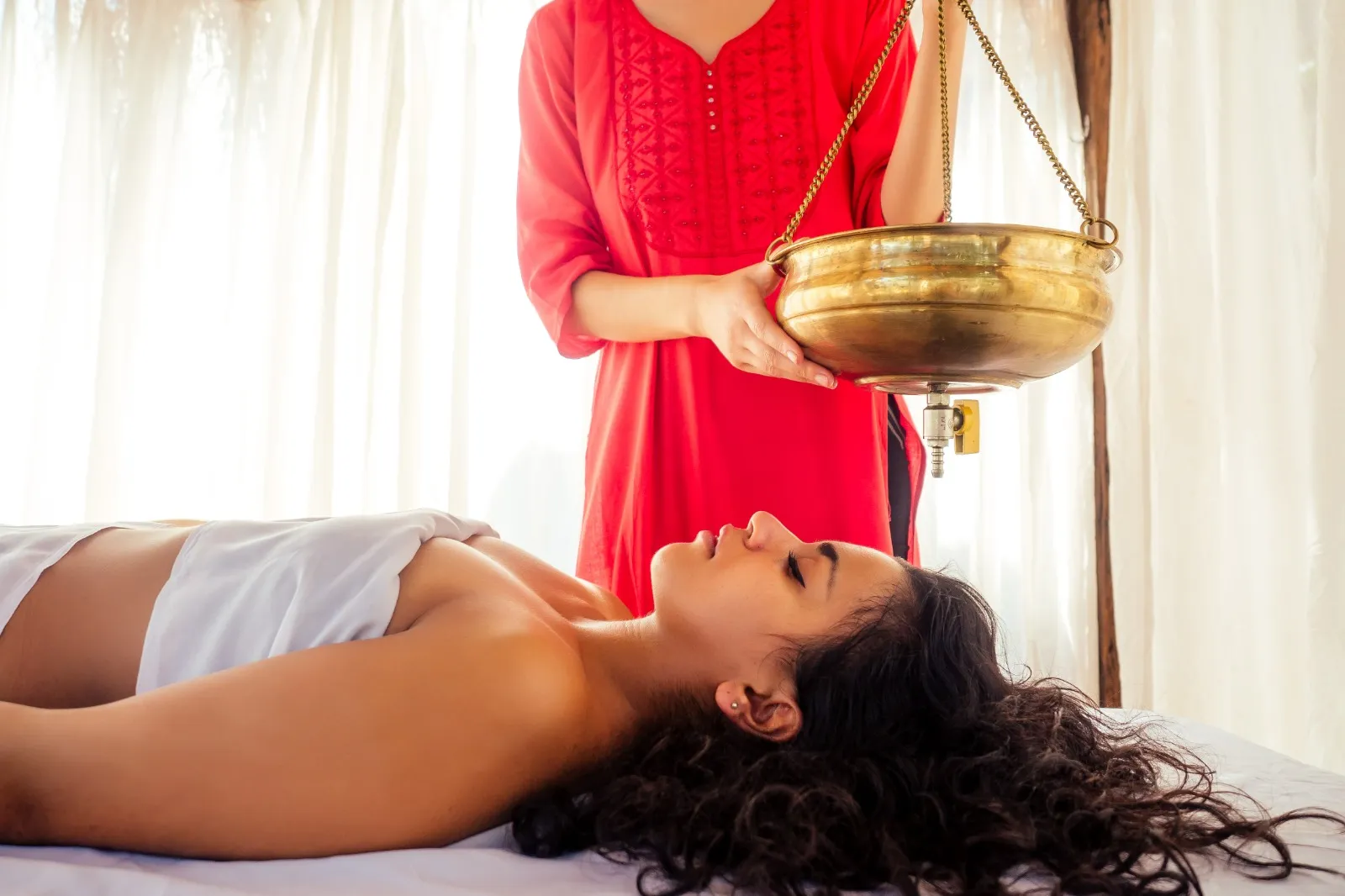
Panchakarma is a five-step detoxification system from Ayurveda consisting of five therapies: Vamana, Virechana, Basti, Nasya, and Raktamokshana. Each procedure targets specific conditions and dosha imbalances, ranging from asthma and psoriasis to arthritis and migraines. When performed under qualified supervision, these procedures work together to restore dosha balance while supporting immunity and facilitating long-term rejuvenation.
Panchakarma has been part of the wellness industry for the last few years but has increasingly become another type of spa retreat, reduced to a form of relaxation. However, framing it this way completely misses the point. Panchakarma is a classical Ayurvedic treatment protocol intended to eliminate deep-seated toxins (ama) from the body—not simply provide relaxation.
Five procedures make up the system: Vamana, Virechana, Basti, Nasya, and Raktamokshana. Each targets specific dosha imbalances and different types of health conditions. The first step to using Panchakarma safely and effectively is understanding what it involves and who may be an appropriate candidate. In this post, we will explore the five Panchakarma techniques.
What Is Panchakarma?
Panchakarma means “five actions” in Sanskrit and refers to the five cleansing treatments described in ancient Ayurvedic texts such as the Charaka Samhita and Ashtanga Hridayam.
It is divided into three phases: Purvakarma (preparatory procedures such as oleation and sudation), Pradhanakarma (the five primary treatments), and Paschatkarma (post-treatment discipline and diet). Ayurveda broadly distinguishes between Shodhana (purification) and Shamana (pacification). Panchakarma falls under Shodhana, with the traditional objective of eliminating accumulated toxins from the body rather than simply suppressing symptoms.
Panchakarma Procedures: Vamana, Virechana, Basti, Nasya & Raktamokshana
Vamana — Therapeutic Emesis
Medically induced vomiting, when performed after specific oleation and sudation procedures, is known as Vamana. It is traditionally used to eliminate excess Kapha dosha and restore balance. Practitioners may recommend it for conditions associated with excess Kapha, including asthma, chronic congestion, and certain skin disorders.
Virechana — Therapeutic Purgation
Virechana focuses on Pitta dosha and uses medicinal purgatives as part of traditional Ayurvedic cleansing protocols. It is commonly used in Ayurveda for conditions associated with Pitta imbalance, including certain liver disorders, psoriasis, acne, and chronic acidity.
Basti — Medicated Enema
Basti is a therapy traditionally associated with balancing Vata dosha, which Ayurveda connects with joint and neurological disorders. It has two main types: Anuvasana Basti, which uses medicated oils, and Niruha Basti, which uses herbal decoctions. Practitioners may use Basti for conditions such as arthritis, joint pain, neurological disorders, and long-term constipation.
Raktamokshana — Bloodletting Therapy
Raktamokshana is one of the five Panchakarma procedures, although it is less commonly practiced today. In modern Ayurvedic applications, leech therapy (Jalaukavacharana) may be used instead of traditional bloodletting for certain localized conditions, including some non-healing skin lesions. This procedure carries potential risks and should be administered only by properly trained and accredited professionals in an appropriate clinical setting.
Key Benefits of Panchakarma
- Deep cellular detoxification
- Strengthened immunity
- Nervous system and stress support
- Anti-aging and tissue rejuvenation
- Long-term management of chronic conditions
Is Panchakarma Right for You?
Panchakarma may be considered by individuals seeking traditional Ayurvedic cleansing, dosha balancing, or seasonal wellness programs. However, it is not appropriate for everyone. Certain Panchakarma procedures may be contraindicated during pregnancy, acute infections, and in very young or elderly individuals unless modified protocols are specifically recommended.
Before undergoing any of the five treatments, individuals should receive an assessment from a qualified Ayurvedic physician to determine whether Panchakarma is appropriate for their constitution, health history, and specific needs.
The What: A One-Day Panchakarma Suite
Panchakarma treatment is typically performed over 7, 14, or, more commonly, 21 days, with a structured schedule that may include daily oiling, sweating, and the primary treatment procedures. The final stage is the recovery phase, or Paschatkarma, which follows the main treatment and includes a gradual reintroduction of food through Samsarjana Krama. This traditional recovery process is intended to support the transition back to a regular diet and routine.
Why Kerala for Authentic Panchakarma?
Kerala's longstanding lineage of Ayurvedic practitioners and its traditional Ayurvedic infrastructure have helped establish the state as a prominent destination for Panchakarma. Its monsoon climate is also traditionally considered suitable for certain Ayurvedic treatments. Together, these factors have contributed to Kerala's reputation as a major destination for Panchakarma and Ayurvedic wellness programs.
Frequently Asked Questions
Is Panchakarma safe?
Panchakarma should be performed under the guidance of an experienced and qualified Ayurvedic physician who considers an individual's dosha balance, health history, and suitability before recommending treatment. Self-administered or unsupervised versions can carry risks, particularly with procedures such as Vamana, Basti, and Raktamokshana.
What Is the Difference Between Vamana and Virechana?
Vamana uses therapeutic vomiting to traditionally eliminate excess Kapha, while Virechana uses therapeutic purgation to traditionally address excess Pitta. They are associated with different doshas and are used according to the individual's condition and treatment plan.
How Often Should You Undergo Panchakarma?
The frequency of Panchakarma varies depending on an individual's constitution, health status, and treatment goals. Some practitioners recommend seasonal Panchakarma programs, particularly at the beginning of certain seasons. However, the appropriate frequency should be determined by a qualified Ayurvedic practitioner rather than following a fixed schedule.
Start Your Panchakarma Journey
Each procedure—Vamana, Virechana, Basti, Nasya, and Raktamokshana—is traditionally used for different types of dosha imbalances, with the overall goal of supporting cleansing and restoring balance. Work with a trained Ayurvedic practitioner to determine which procedure or combination of procedures may be appropriate for your constitution and health needs. You can also explore personalized Panchakarma programs designed around your individual requirements.
POPULAR
BLOG POSTS
- Ayurvedic Treatment for Fatty Liver: What Really Helps, and What Doesn't
Oct 05, 2026 - Ayurvedic Treatment for Multiple Sclerosis: Supportive Care, Therapies and What to Expect
Sep 29, 2026 - Panchakarma: Vamana, Virechana, Basti, Nasya & Raktamokshana
Sep 28, 2026 - Ayurveda Meditation: Healing the Mind, Body & Consciousness
Sep 27, 2026 - Ayurvedic Treatment for Arthritis: The Role of Diet and Lifestyle
Sep 15, 2026 - Ayurvedic Treatment for PMOS: How Panchakarma and Ayurvedic Fertility Care Support Hormonal Balance
Sep 09, 2026 - Ayurvedic Treatment for Women: Hormones, Hair, Skin, Stress & Fertility
Sep 1, 2026 - Leech Therapy Ayurveda for Varicose Veins: Reduce Pain and Improve Blood Circulation Naturally
Aug 27, 2026 - How Panchakarma Treatment Supports Natural Detoxification and Wellness
Aug 20, 2026 - Kerala Panchakarma for Back Pain and Joint Stiffness
Aug 1, 2026 - Ayurvedic Rejuvenation Treatment: What It Is and How It Works
July 21, 2026 - An Ultimate Guide for Ayurvedic Treatment of Sinusitis and Allergies
July 10, 2026 - How Ayurveda Supports Weight Management Without Dieting
June 30, 2026 - Planning a Karkidaka Chikitsa Retreat in Wayanad, Kerala: A Guide for International Guests
June 22, 2026 - Best Time for Panchakarma in Kerala: Why Choose a Monsoon Ayurveda Detox Retreat?
June 8, 2026 - Heal Naturally with Monsoon Treatments in Ayurveda: A Guide to Karkkidaka Treatment
May 30, 2026 - What is hypertension? Symptoms, causes, and Ayurveda treatments
May 26, 2026 - Why Monsoon is the Best Time for Kizhi Therapy in Ayurveda
May 25, 2026 - Why Shirodhara is Done: 7 Powerful Benefits for Mind & Body
April 17, 2026 - 7 Powerful Benefits of an Ayurveda Retreat
April 17, 2026 - Nasyam: The Ayurvedic Nose Therapy That Clears More Than Congestion
March 10, 2026 - Why One-Size-Fits-All Wellness Fails: A Guide to Your Ayurvedic Body Type
Feb 17, 2026 - Ayurvedic Detox: How to Cleanse Your Body the Natural Way
Feb 17, 2026 - Breathe Easy: Natural Ayurvedic Solutions for Sinus and Cold-Season Problems
Feb 7, 2026 - Living in Balance: A Daily Guide to Yoga and Ayurveda
Jan 12, 2026 - 10 Reasons Why Panchakarma Is the Ultimate Detox
Oct 28, 2025 - From Panchakarma to Peace: A Beginner's Guide to Ayurveda
Aug 30, 2025 - Transformative Healing Through Personalized Ayurveda at Shatavari Ayurveda
July 15, 2025 - Balance Your Doshas with the Seasons: A Fresh Approach to Eating
June 29, 2025 - How Vata, Pitta, and Kapha Influence Your Mind, Body, and Energy ?
June 13, 2025 - Why an Ayurveda Resort in Wayanad Is the Ultimate Wellness Gateway ?
May 29, 2025 - Ayurveda Leech Therapy: A Time-Tested Healing Practice
April 22, 2025 - Cupping Therapy: An Ancient Healing Practice for Modern Health
April 3, 2025 - Ayurveda for Mental Wellness: Healing Stress and Anxiety Naturally
March 8, 2025 - The Science Behind the Healing Power of Ayurveda
Feb 20, 2025 - Panchakarma: Five Ayurvedic Therapies for Effective Detoxification
Feb 11, 2025 - Why Ayurveda Could Be Europe’s Hottest Wellness Trend ?
Jan 22, 2025 - Yoga for Health: A Path to Physical and Mental Well-being
Aug 16, 2024 - Ayurveda in Europe: Integrating Eastern Medicine into Western Lifestyles
Aug 16, 2024 - Wayanad United: Shatavari Ayurveda’s Commitment to Healing and Hope
Aug 16, 2024 - Ayurveda: Science of Life - Ancient Wisdom for Contemporary Health
Aug 8, 2024 - Kerala Wellness Centres_ Your Guide to Ayurvedic Detox and Rejuvenation
Jul 20, 2024 - How My Visit to an Ayurveda Retreat Centre Transformed My Life ?
Jul 18, 2024 - What is an Ayurveda Retreat?
Jul 13, 2024 - Shatkarma and Its Role in Modern Yoga Practice
Jul 10, 2024 - Best Ayurvedic Package for Women
Aug 3, 2023 - Yoga: A Holistic Way to Boost Your Respiratory Health and Overall Well-being
Jul 28, 2023 - Does Yoga Improve Lung Function?
Jul 5, 2023 - Best Ayurvedic Treatment for Stress
June 20, 2023 - Where to Get an Ayurvedic Consultation in Europe?
June 26, 2023 - How Is Ayurveda Beneficial For Arthritis?
June 18, 2023 - The Role of Ayurveda In the Constitution of The Body
June 1, 2023 - Which Is the Best Ayurvedic Treatment Centre in Kerala?
May 30, 2023 - The Healing Power of Food
May 23, 2023 - Ayurveda: Ancient Wisdom for Modern Well-Being
May 18, 2023 - Ayurveda's Simple Ways to Reduce Stress
May 2, 2023 - Ayurveda's Ancient Magic Meets Modern Living
April 20, 2023 - Ayurvedic Immunity Boosting Measures
Mar 31, 2023 - Ayurvedic Treatment for Post-Covid Health
Mar 25, 2023 - Indian Spirituality
Mar 13, 2023 - Does Ayurveda Treat Weight Loss?
Feb 21, 2023 - Ayurveda Doctor in Europe
Feb 5, 2023 - Ayurveda Treatments in India: How to Get an Online Medical Visa?
Jan 24, 2023 - Kerala Ayurvedic Centre
Dec 10, 2022 - Ayurvedic Spa Treatments
Nov 25, 2022 - Ayurvedic Capsules for Good Health
Oct 10, 2022 - How Can Ayurvedic Treatment Help People with Diabetes?
Jun 3, 2022 - Why Is Kerala Considered the Ideal Destination for Ayurvedic Treatment?
May 10, 2022